
The Costa Brava — the "wild coast" — is the stretch of Catalan shoreline running north from near Barcelona to the French border. The name is earned: this is a coast of pine-covered headlands, small rocky coves, and old fishing towns, quite different from the long developed beaches further south. It also comes with a strong cultural streak — Salvador Dalí's home turf — and a hinterland of medieval villages. Seeing it properly means treating it as a region to explore, not a single beach to lie on.
Where the Costa Brava is
It falls within the province of Girona, in Catalonia's north-east. The coast divides loosely into a busier southern section nearer Barcelona, a quieter and prettier central stretch around the Baix Empordà, and a dramatic northern end around Cap de Creus and Cadaqués. Inland lie Girona's handsome old city and a scatter of medieval stone villages.
Getting there
A car is the honest answer. From Barcelona it is roughly 1.5 to 2 hours to the central coast, and a car is what unlocks the coves, the hilltop villages, and the coastal roads that no bus serves well. Without one, you can reach Girona and Figueres by train and take onward buses to the larger coastal towns, but connections to the smaller resorts are slow, and you will miss much of what makes the coast special.
The towns worth basing in
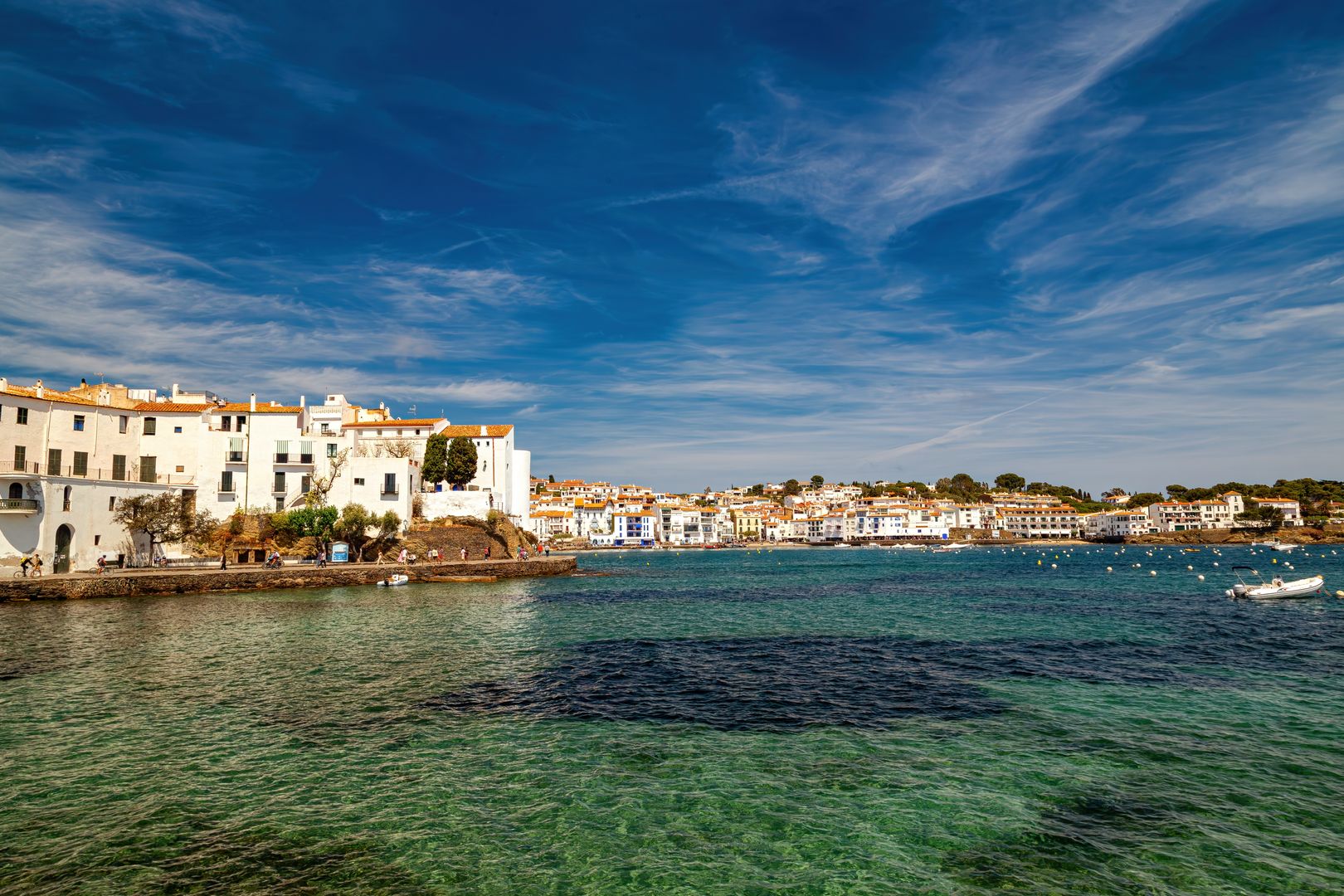
Cadaqués, at the northern end, is a whitewashed, artist's town reached by a winding mountain road — remote, beautiful, and where Dalí lived at nearby Portlligat. In the centre, Begur and the string of coves below it, including Calella de Palafrugell and Aiguablava, are the classic Costa Brava: fishing-village whitewash, umbrella pines, and clear water. Further south, Tossa de Mar has a walled medieval old town rising above a sandy town beach. Palamós is a larger working town known for its prawns.
The best beaches and coves
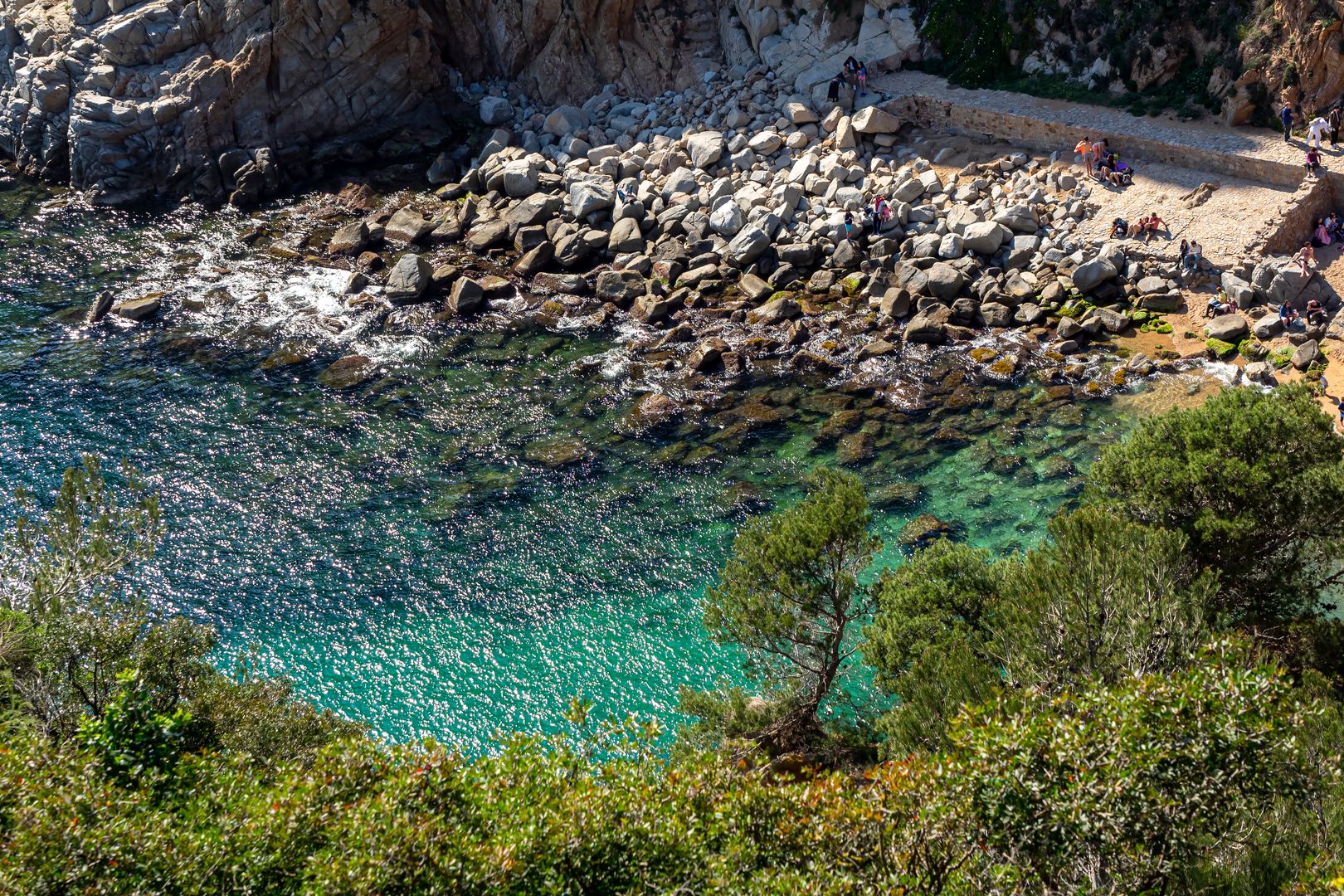
Forget long sandy strands — the Costa Brava is about calas, small coves tucked between headlands. Aiguablava, Sa Tuna, and Cala Pola are among the loveliest, often backed by pines and reached down steep lanes or on foot. The camins de ronda, historic coastal footpaths, thread along the cliffs from one cove to the next and are the best way to find quiet water. Entries are often rocky, so water shoes help, and in July and August you need to arrive early for space.
Beyond the beach
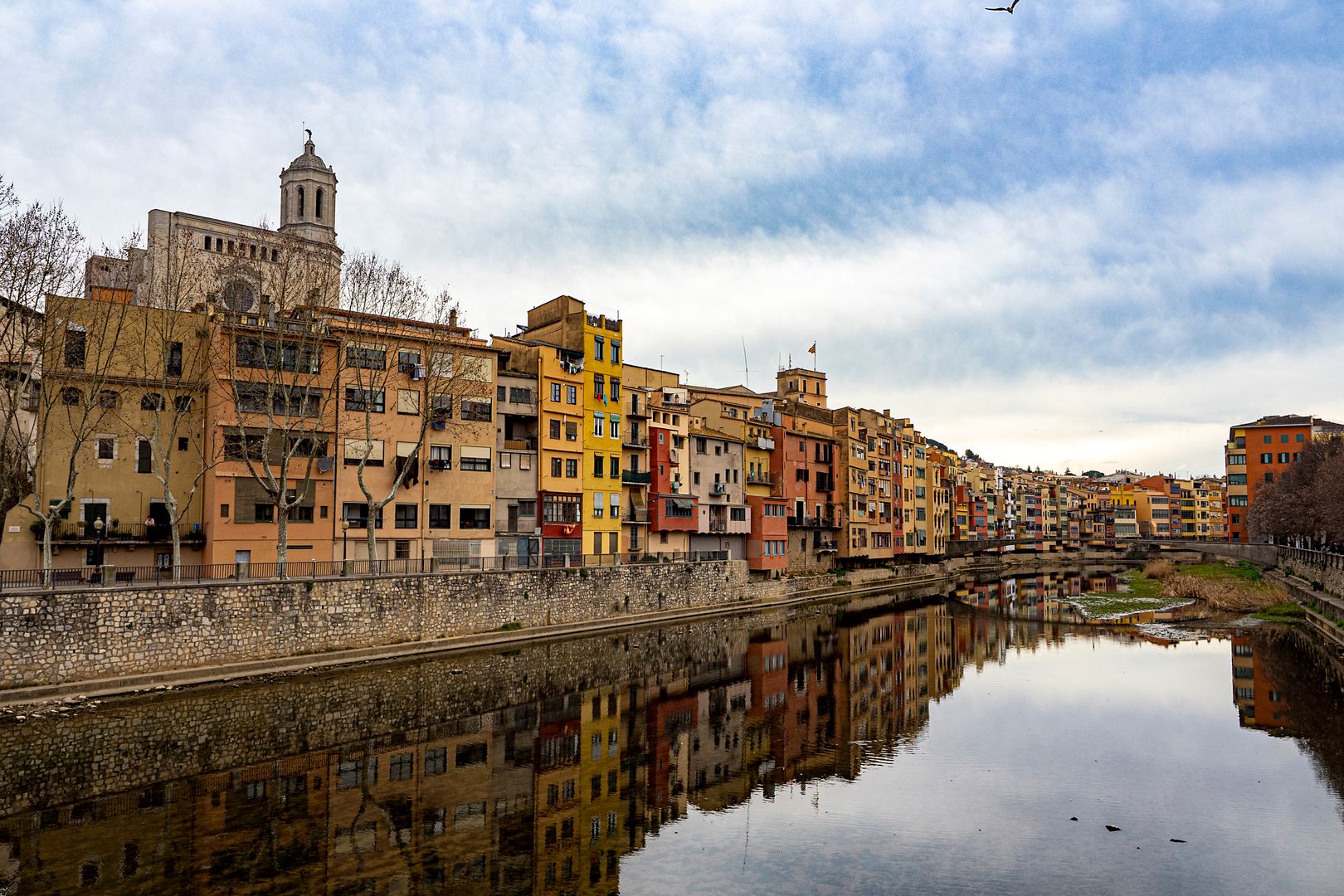
The coast pairs well with its interior. Figueres holds the Dalí Theatre-Museum, the surreal shrine the artist built to himself, while Girona's old town — Gothic cathedral, colourful riverfront houses, and intact medieval walls — deserves a day. Between coast and city sit some of Catalonia's best-preserved medieval villages, Pals and Peratallada among them, worth an afternoon's wander.
When to go
June and September are the sweet spots: warm enough to swim, everything open, and without the intense July-and-August crush when Spanish and French holidaymakers descend and the coves overflow. The broad season runs May to October; outside it, many hotels and restaurants in the smaller resorts close, and Cadaqués and the cove villages go quiet.
Frequently Asked Questions
How do you get to the Costa Brava from Barcelona?
By car it is the easiest — about 1.5 to 2 hours to the heart of the coast — and a car is what lets you reach the coves and hilltop villages. By public transport, trains run to Girona and Figueres, with buses onward to the coastal towns, but connections to the smaller resorts are slow and limited.
Which town should I base in on the Costa Brava?
Cadaqués for whitewashed, artsy seclusion at the northern end; Begur and nearby Calella de Palafrugell for classic cove-and-fishing-village charm in the centre; Tossa de Mar for a walled old town and a sandy town beach further south. Your choice depends on how remote versus convenient you want to be.
When is the best time to visit the Costa Brava?
June and September are ideal — warm sea, open businesses, and far fewer people than the July-August peak, when Spanish and French holidaymakers fill the towns. Outside roughly May to October many hotels and restaurants in the smaller resorts close for the season.
What are the best beaches on the Costa Brava?
The coast is defined by small coves (calas) rather than long beaches — Aiguablava, Sa Tuna, and Cala Pola among them — often reached by the camins de ronda, the coastal footpaths that link one cove to the next. Bring water shoes for the rocky entries and go early in summer to find space.