Showing 13–22 of 22 articles

22 March 2026
japanNara Day Trip from Kyoto or Osaka: Deer, Temples, and How to Do It
Nara was Japan's first permanent capital from 710–794 AD and is now home to 370,000 people and over 1,200 freely roaming sika deer. The deer are the draw — they will bow, headbutt you for crackers, and occasionally eat your map. It is exactly what it sounds like, and it is excellent. Most visitors from Kyoto or Osaka can see the essential sights in three to four hours, though the experience easily stretches to a half day. The question isn't whether to go — it's how to fit it into your existing itinerary without wasting time.
Henrik Vinter

21 March 2026
japanHakone and Mount Fuji: The Practical Guide
Mount Fuji is hidden by cloud approximately 60% of the time year-round. This single fact should shape your entire itinerary. If you plan to see the mountain from a summit or base viewpoint, allocate multiple days in the Hakone and Fuji area, or accept that you may see nothing but grey. The mountain is most visible in October and during clear spells in December to February. If you're set on summiting, July to early September is the only window — and even then, you'll climb into cloud cover roughly half the time. The area remains rewarding without Fuji views: Hakone itself is a functional mountain resort with geothermal water, ropeway access to volcanic vents, and an excellent open-air museum. But the Fuji element is the draw, and pretending otherwise leads to disappointment.
Henrik Vinter
20 March 2026
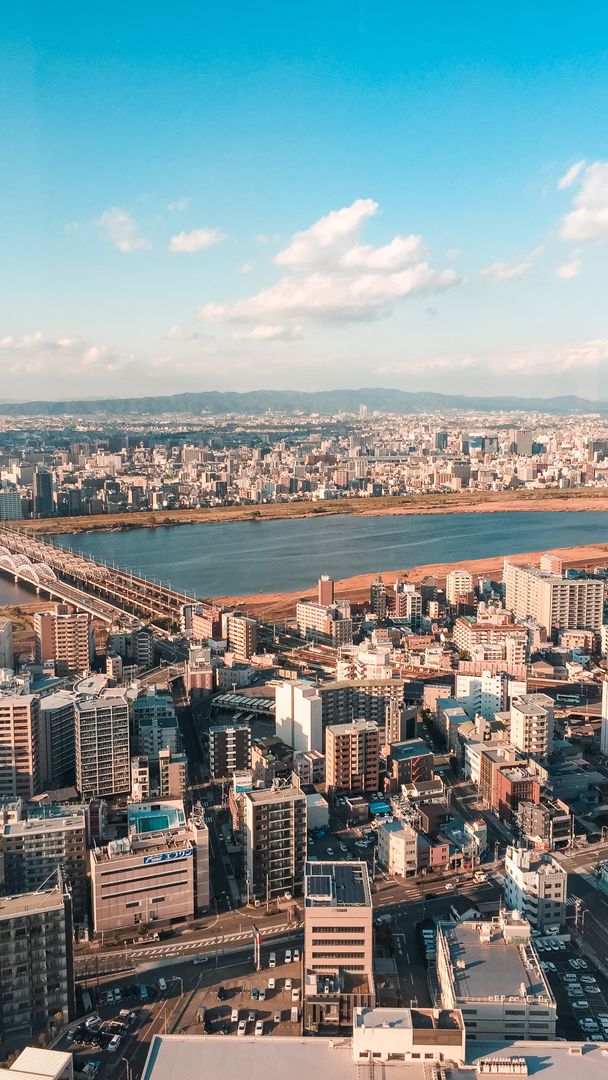
japanOsaka Travel Guide: Food, Neighbourhoods, and What the City Is Actually Like
Osaka's reputation outside Japan is as Tokyo's louder, messier cousin — a characterization that misses the point entirely. The city that other Japanese cities consider too direct, too loud, too willing to talk to strangers. Local saying: "Kyoto people are subtle, Osaka people are direct." The food is richer, the humour sharper, and the street energy closer to Hong Kong or Naples than to Tokyo's contained precision. For many long-term Japan visitors, it is the most approachable Japanese city — and the only one where pointing at a menu and grunting is not just acceptable but expected.
Henrik Vinter
20 March 2026
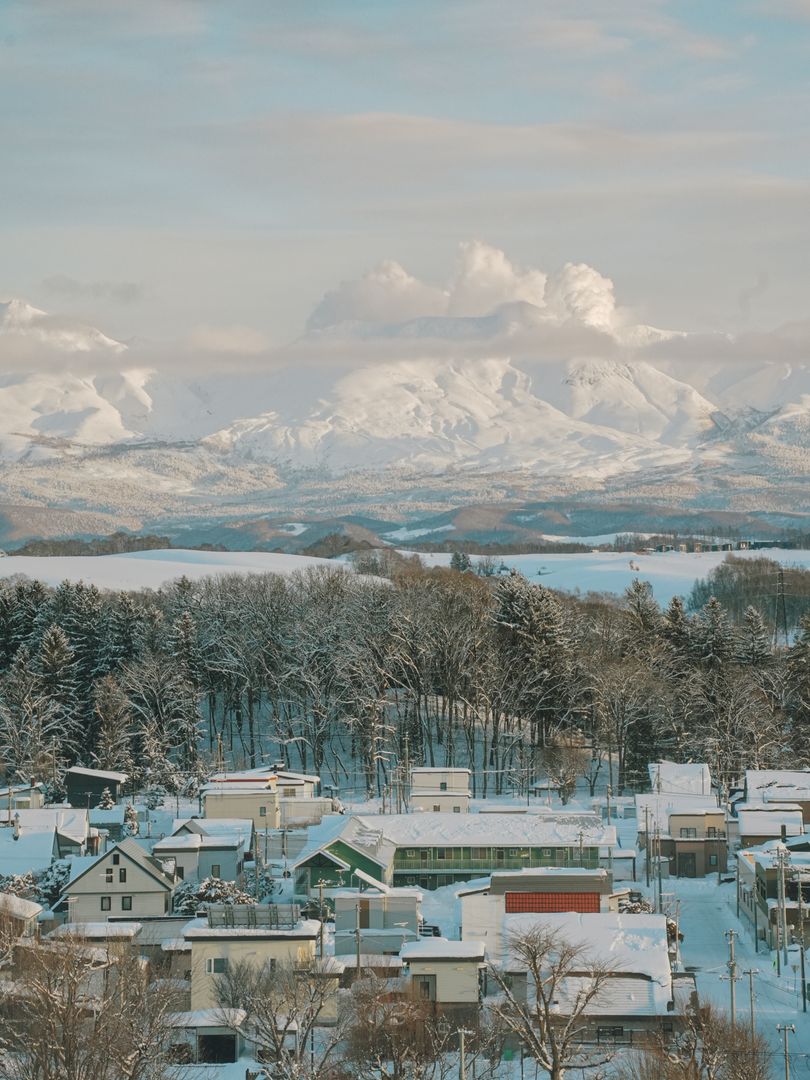
japanHokkaido Travel Guide: Japan's Wild North
Hokkaido is not a smaller version of Honshu — it is a fundamentally different Japan. The island covers 22% of Japan's land area but holds only 4% of the population. The climate is subarctic: winters drop to −10°C in Sapporo, −20°C in rural valleys, with annual snowfall exceeding 15 metres in ski zones. Summers stay dry and mild (20–25°C), free of the humidity that makes Tokyo in July oppressive. This is a choice between two entirely separate Japan experiences, separated by geography and season.
Henrik Vinter

19 March 2026
japanHiroshima and Miyajima: What to Know Before You Visit
Hiroshima is simultaneously a modern, well-functioning city of 1.2 million people and the site of the world's first atomic bomb attack on August 6, 1945. Visiting requires some capacity to sit with that contradiction. The Peace Memorial Museum does not simplify or sanitise the event. If you approach it with that expectation, it becomes one of the most worthwhile museum visits in Japan—not as tourism, but as necessary witness.
Henrik Vinter

18 March 2026
japanKyoto Travel Guide: What First-Timers Actually Need
Kyoto holds 17 of Japan's UNESCO World Heritage Sites and more temples than any comparable city in the world — 1,700+ temples and shrines scattered across a basin the size of Greater London. The central problem isn't finding things to do. It's deciding how many temples you can genuinely appreciate before they blur into architectural repetition. Two full days is the practical minimum to see the main sites without a sense of rushing. Three days is the threshold where you can actually spend time in places instead of collecting them.
Henrik Vinter

16 March 2026
japanOne Week in Japan: A Practical First-Timer's Itinerary
A one-week Japan itinerary typically follows the Tokyo–Kyoto–Osaka circuit, and it works well for first-timers because these three cities are connected by reliable trains and collectively show Japan's contradictions: megacity noise, temple forests, neon districts, and centuries-old shrine districts within 30 minutes of each other. What first-timers get wrong is thinking seven days is enough to add Hiroshima without rushing—it isn't. This route instead prioritises depth over distance. Decide upfront whether you're optimising for urban exploration, temple culture, food, or sensory contrast. Everything else follows from that choice.
Henrik Vinter

14 February 2026
japanBest Time to Visit Japan: A Month-by-Month Guide
Japan's peak seasons are narrow, furious, and prices-tripling events. Late March through early April brings cherry blossoms and the year's largest crowd surge; mid-November replicates it with autumn foliage. Between these two poles sits a year that most travellers ignore: July and August are genuinely hot and humid in most of Honshu but manageable in Hokkaido; June is rainy but photographers and budget travellers find underrated value; May 6–31 and October are genuinely excellent with near-zero crowds; January and early December are quiet and cheap.
Henrik Vinter

17 January 2026
japanKyoto vs Osaka: How to Split Your Japan Time
Kyoto and Osaka sit 75km apart and are connected by Shinkansen (14 minutes, €12), Hankyu Railway (45 minutes, €3.50), and Kintetsu Railway (35 minutes express, €7). They're close enough to day-trip between but fundamentally different in purpose. Kyoto is the former imperial capital — 17 UNESCO sites, 1,600+ temples, a city designed around cultural pilgrimage. Osaka is the food-forward commercial city that generates revenue instead of nostalgia. Choosing the wrong base for your travel style wastes commute time every morning. This guide clarifies which city to sleep in, how many days each requires, and what actually takes priority when your time is limited.
Henrik Vinter

10 January 2026
japan72 Hours in Tokyo: The Essential First-Timer's Itinerary
Tokyo rewards structure. The city is vast — 14 million people in the metropolitan area, a subway system with over 280 stations — and first-time visitors who arrive without a plan tend to spend their first day riding the wrong trains and queuing for things that didn't need queuing. This itinerary is built for efficiency, not coverage. Three days won't show you all of Tokyo. They will give you a real foundation: the old city and the new, the commercial and the quiet, the iconic and the actual.
Henrik Vinter