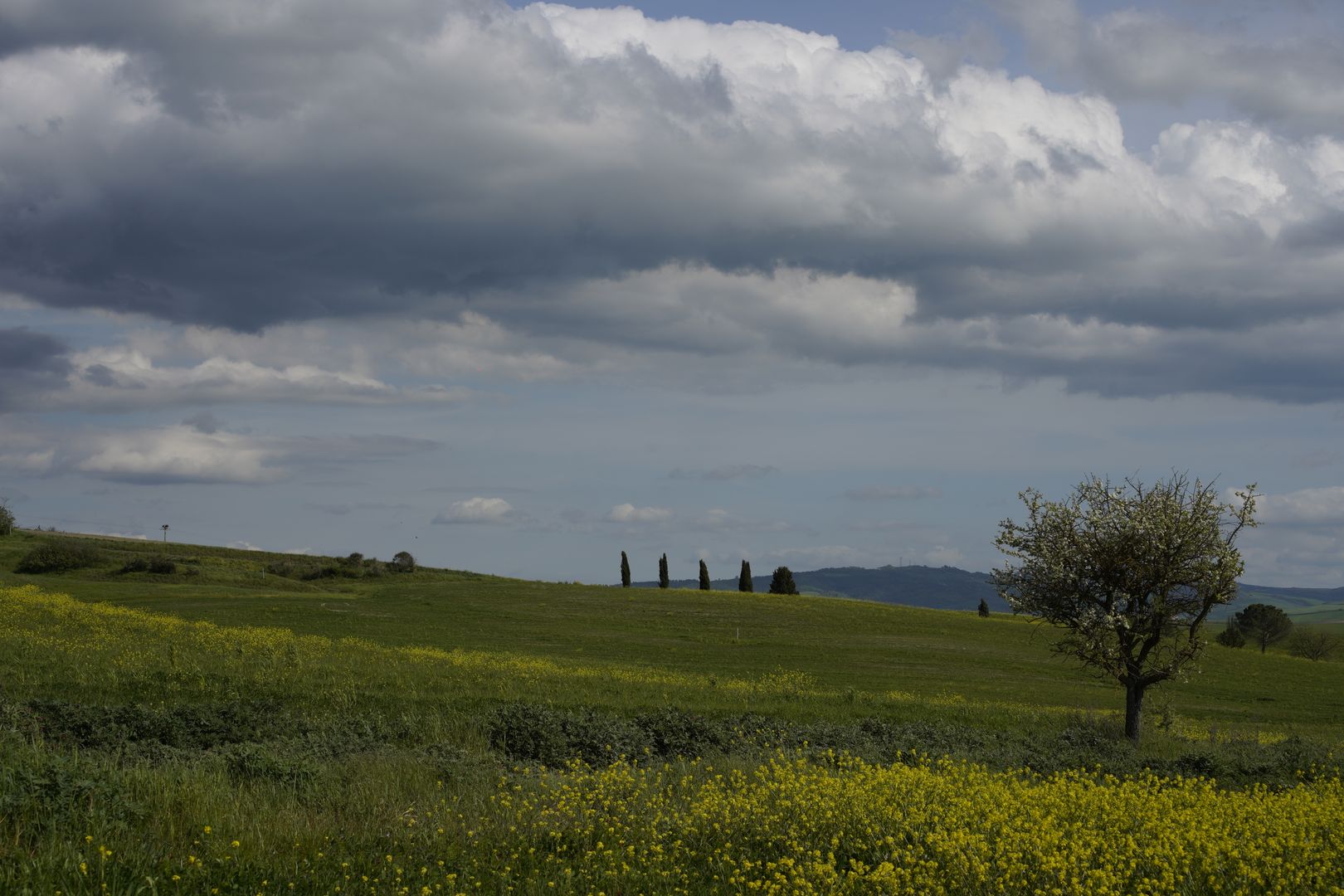

Tuscany is not Florence. Florence is the front door — a magnificent one — but the region people actually daydream about is out beyond it: cypress-lined ridges, walled hill towns, and vineyards on slow-rolling hills. The difference between a Tuscany trip and a Florence trip is whether you get into that countryside, and that comes down to a few practical decisions about wheels, bases, and timing.
What Tuscany actually is
The region spreads from the coast to the Apennines, taking in Florence, medieval Siena, the leaning tower of Pisa, walled Lucca, the wine country of Chianti between Florence and Siena, and the postcard valley of the Val d'Orcia to the south. The cities are strung together by rail; the landscapes between them are not. Deciding how much of each you want shapes the whole trip.
Do you need a car?
For the cities, no — Florence, Siena, Pisa, and Lucca are linked by frequent, cheap trains, and driving into their centres is a hassle of limited-traffic zones and fines. For the countryside, yes. The hill towns, wineries, and the Val d'Orcia are served by sparse buses at best, and a car is what turns "we saw Florence" into "we drove the back roads of Chianti." The usual play: cities by train first, then pick up a car for the rural leg.
The hill towns worth your time
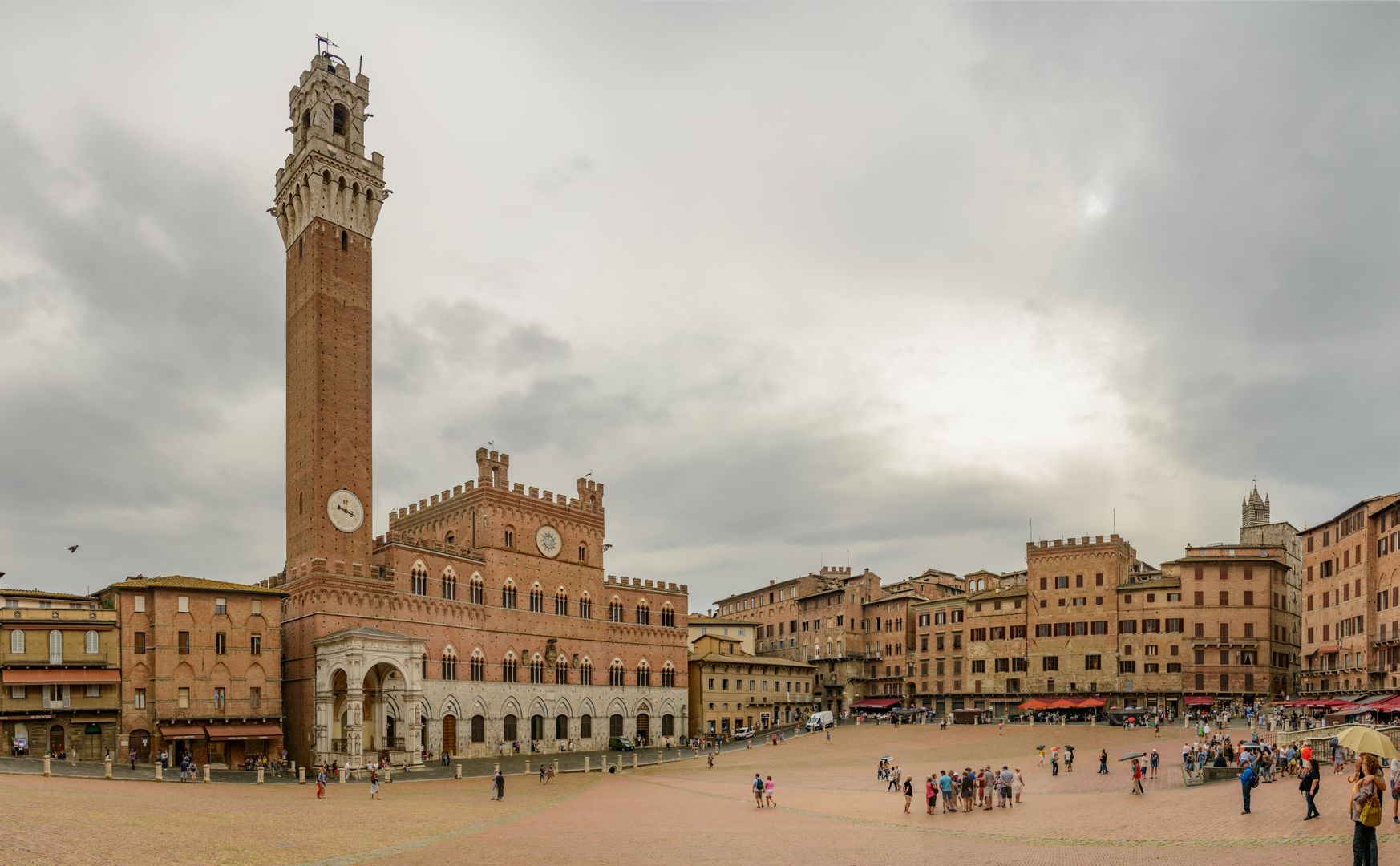
Siena is the essential one — a complete medieval city built around the shell-shaped Piazza del Campo, and worth a night to have it after the day-trippers leave. San Gimignano bristles with medieval tower-houses and gets busy for good reason. South in the Val d'Orcia, Montepulciano and Pienza pair Renaissance streets with serious wine. For somewhere quieter, Volterra keeps its Etruscan and medieval layers with a fraction of the crowds.
The Val d'Orcia and Chianti
This is the Tuscany of the imagination. The Val d'Orcia, south of Siena, is the valley of solitary farmhouses, cypress avenues, and golden hills that fills the postcards — best explored slowly by car, stopping at Pienza and Montalcino. Chianti, between Florence and Siena, is the wine heartland, its ridge roads linking villages and estates where you can taste and buy. Neither is a single sight; both are landscapes to drive into and linger.
Where to base yourself
If you have a car, base in or near a hill town or on an agriturismo (a farm stay) rather than in Florence for the rural part of the trip — waking up in the countryside is the point. Siena makes a central, well-placed base; the Val d'Orcia suits those chasing the landscape; Chianti works if wine is the focus. Keep Florence for the start or end, done by train.
When to go
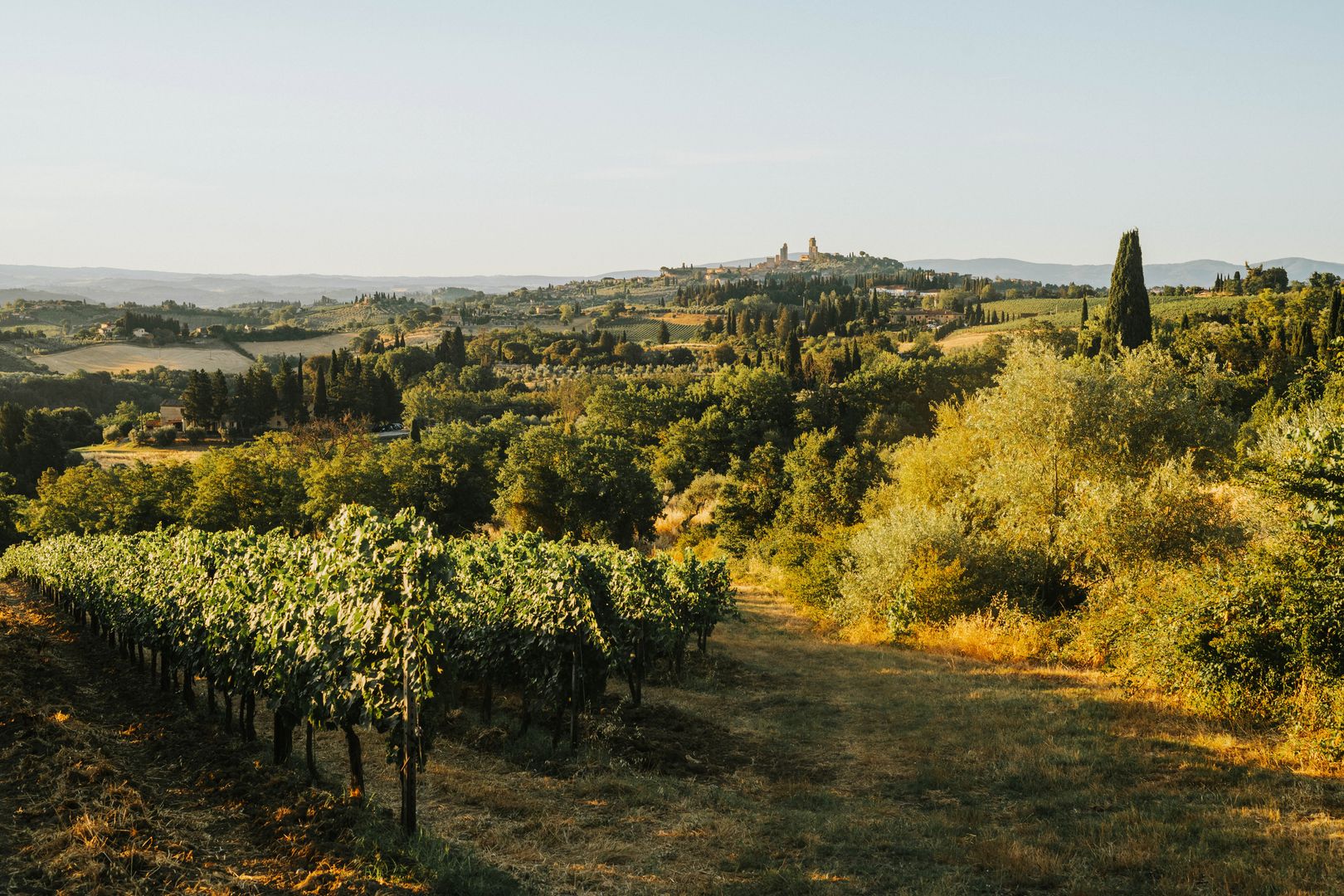
May and June bring warm days and green hills; September and October bring the harvest and golden light, with the grape and olive picking underway. These shoulder months are the sweet spot for weather and crowds. July and August are hot and busy, and many rural restaurants and estates close for their own summer break in August — check ahead if you travel then.
Frequently Asked Questions
Do you need a car to visit Tuscany?
For the cities — Florence, Siena, Pisa, Lucca — no; they are well connected by train. For the countryside, the hill towns, and the wine roads of Chianti and the Val d'Orcia, yes: public transport is thin and infrequent, and a car is what unlocks the Tuscany people picture.
How many days do you need in Tuscany?
A week is ideal: two or three days for Florence and the cities by train, then three or four in the countryside with a car, basing in or near a hill town. Four days is workable if you focus on either the cities or the countryside rather than both.
What are the best hill towns in Tuscany?
Siena for its scale and the Piazza del Campo, San Gimignano for its medieval towers, and Montepulciano and Pienza in the Val d'Orcia for wine and Renaissance planning. Volterra is a quieter, more atmospheric alternative that sees fewer tour buses.
When is the best time to visit Tuscany?
Late spring (May to June) and early autumn (September to October) offer warm weather, green or golden landscapes, and manageable crowds. September and October also bring the grape and olive harvest. August is hot and busy, and many rural businesses take their own holidays then.