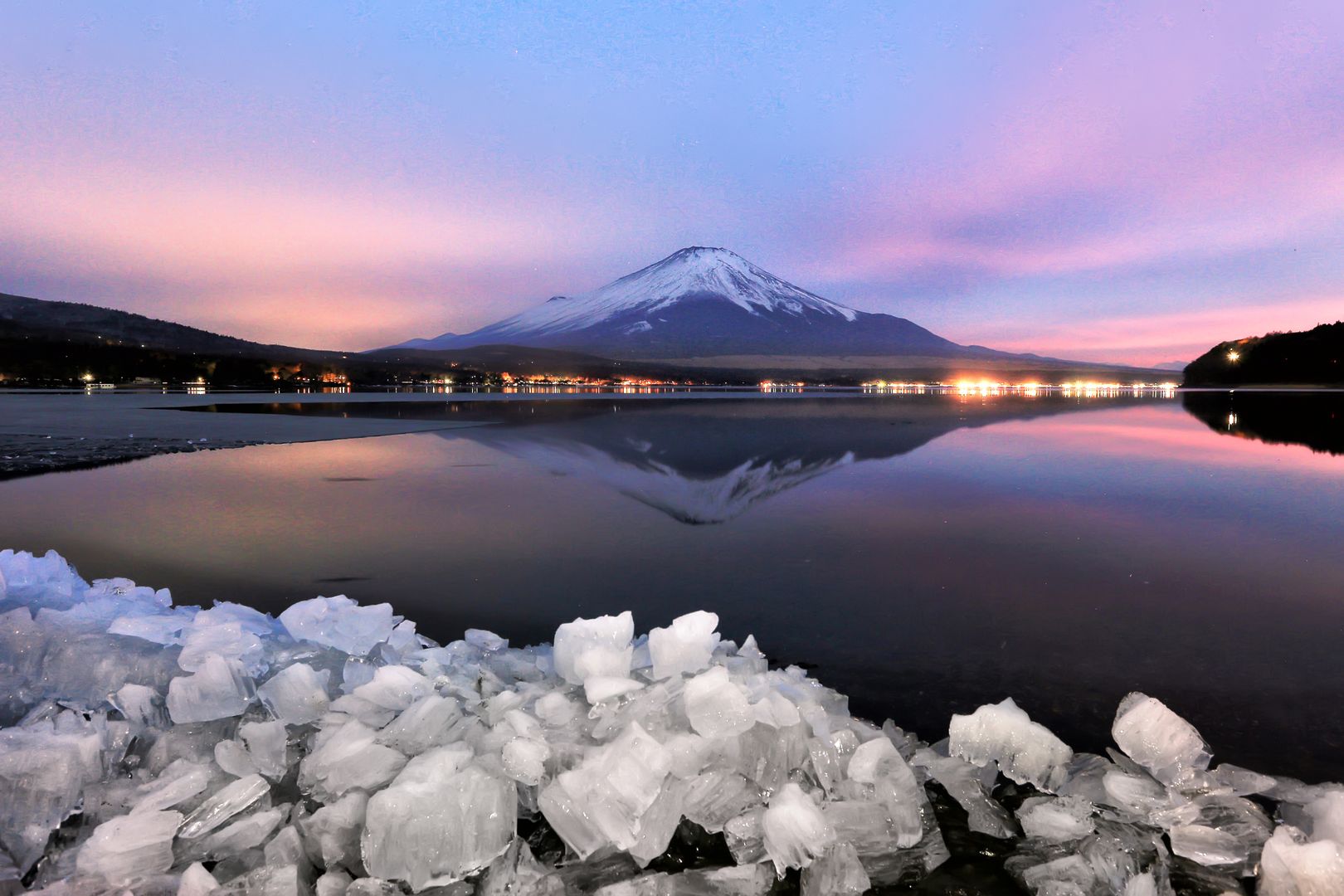

Japan tempts first-timers into overreach. The trains are so good that it feels possible to see everything, and then you spend the holiday watching the countryside blur past a shinkansen window. Two weeks is the sweet spot for the classic route — Tokyo, the mountains, Kyoto and its day trips, Osaka, and the run out to Hiroshima — with enough slack to actually enjoy it. Here is a version that holds together.
The route at a glance
Tokyo (4 nights) → Hakone or the Fuji area (1 night) → Kyoto (4 nights, with Nara and other day trips) → Osaka (2 nights) → Hiroshima and Miyajima (2 nights) → back to Tokyo or out via Osaka. It runs in one broad direction along the shinkansen spine, which keeps backtracking to a minimum and makes the rail pass worth considering.
Days 1–4: Tokyo
Give the capital four nights. It is big enough to reward the time and you will still only scratch it — the western hubs of Shinjuku and Shibuya, old-Tokyo Asakusa, the museums and gardens, a day for Nikko or Kamakura if you want a break from the density. Use the first day gently to shake off the flight rather than forcing a dawn start.
Days 5–6: Hakone and Mount Fuji
Break the Tokyo–Kyoto leg with a night in the Hakone hot-spring area, where on a clear day you get Mount Fuji across Lake Ashi and a chance to sleep in an onsen ryokan. It is a deliberate change of pace between two big cities. If mountains are more your thing than hot springs, the Japanese Alps around Takayama and Kanazawa are an alternative detour.
Days 7–10: Kyoto and Nara
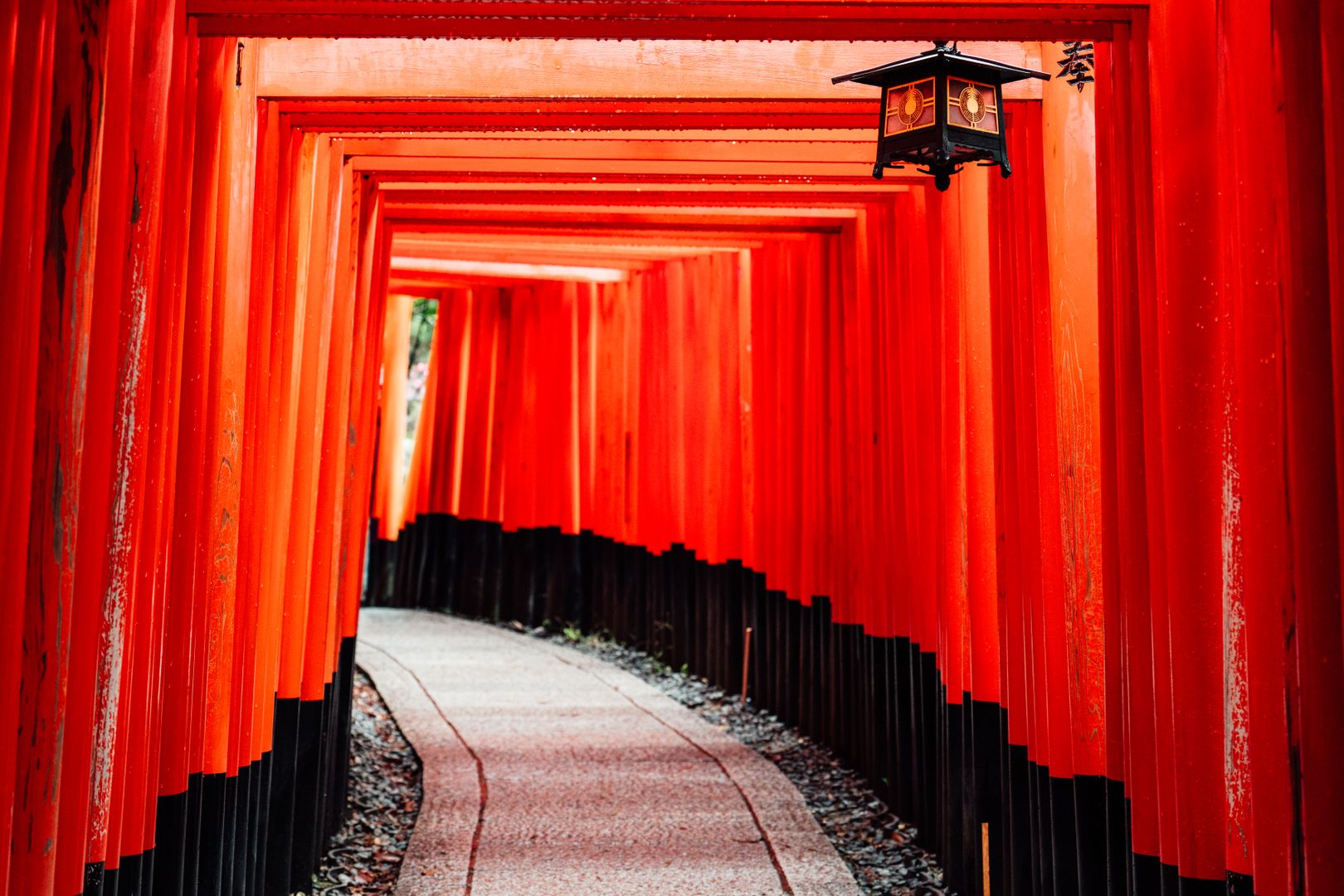
Four nights in Kyoto gives you the temples and shrines without cramming, plus easy day trips: Nara for the great Buddha and the deer, Uji for tea and the Byodo-in, Fushimi Inari at either end of the day to dodge the crowds. Base downtown or near the station and pace it — temple fatigue is real, so mix in a market, a garden, and a good dinner.
Days 11–12: Osaka
Osaka is the food city and a livelier, blunter counterpart to Kyoto, half an hour away by train. Two nights is enough for Dotonbori's street food, a castle, and a night out, and it makes a practical base if you fly out of Kansai airport.
Days 13–14: Hiroshima and Miyajima
The shinkansen runs west to Hiroshima in under two hours from Osaka. Give it two nights: one for the Peace Memorial Park and Museum, which is sobering and essential, and one for the island of Miyajima with its floating torii gate. From here you either fly out of Hiroshima or ride back toward Tokyo.
The rail-pass maths
Whether the 14-day Japan Rail Pass pays off depends on this exact route. A Tokyo–Kyoto–Hiroshima round trip on the shinkansen roughly matches or beats the pass price on its own, so a corridor itinerary like this usually justifies it — but the pass has risen in price in recent years, so price your specific legs against it rather than assuming. If you settle in one or two cities instead, buy individual tickets.
What most two-week itineraries get wrong
They add a fifth region. Hokkaido and Okinawa are wonderful and completely out of the way — tacking either onto this route means long transits and a rushed everything-else. Resist. Two weeks done at this pace, with a couple of deliberately slow days, beats a frantic tour of the whole archipelago.
Frequently Asked Questions
Is two weeks enough time for Japan?
Two weeks is a comfortable first visit: enough for Tokyo, Kyoto, Osaka, a mountain area like Hakone or the Alps, and a trip out to Hiroshima and Miyajima, without rushing. It is not enough to add Hokkaido or Okinawa as well — those deserve their own trip.
Should I buy a 14-day Japan Rail Pass for two weeks?
Do the maths on your actual route. A round-trip Tokyo–Kyoto–Hiroshima and back roughly covers or exceeds the 14-day pass price, so if you follow a classic corridor itinerary it usually pays off. If you plan to stay put in one or two cities, individual tickets are cheaper — price both before buying.
Which direction should I travel in Japan — Tokyo first or last?
Either works, but starting in Tokyo and ending in Osaka (or vice versa) lets you fly into one and out of the other, avoiding a backtrack. Many people prefer to end in Tokyo so they finish near the widest choice of flights and last-minute shopping.
What is the biggest mistake in a two-week Japan itinerary?
Adding too many destinations. Every extra city costs a half-day of packing, transit, and re-orienting. A trip with four well-chosen bases beats one with eight rushed ones — build in slower days rather than more stops.


