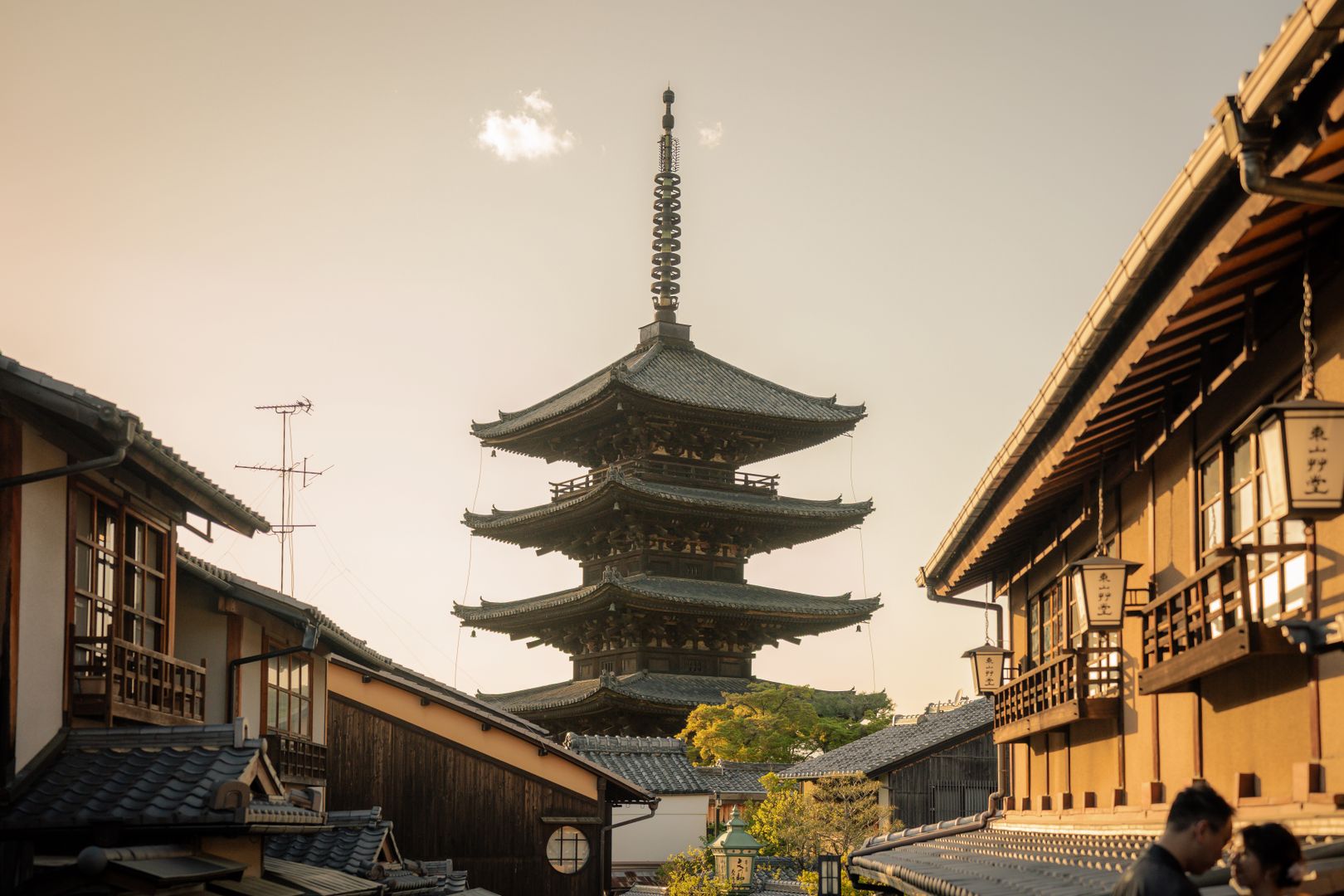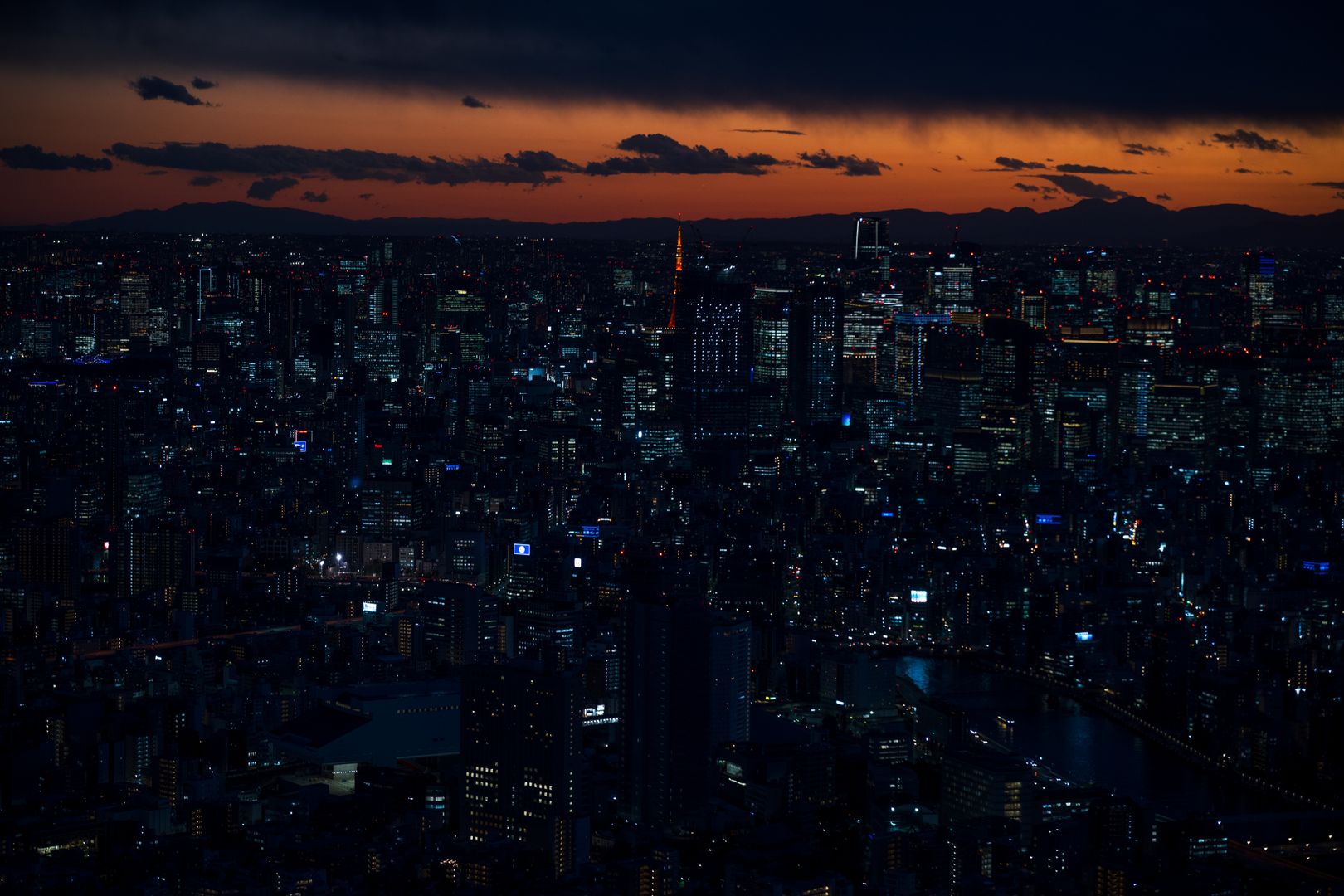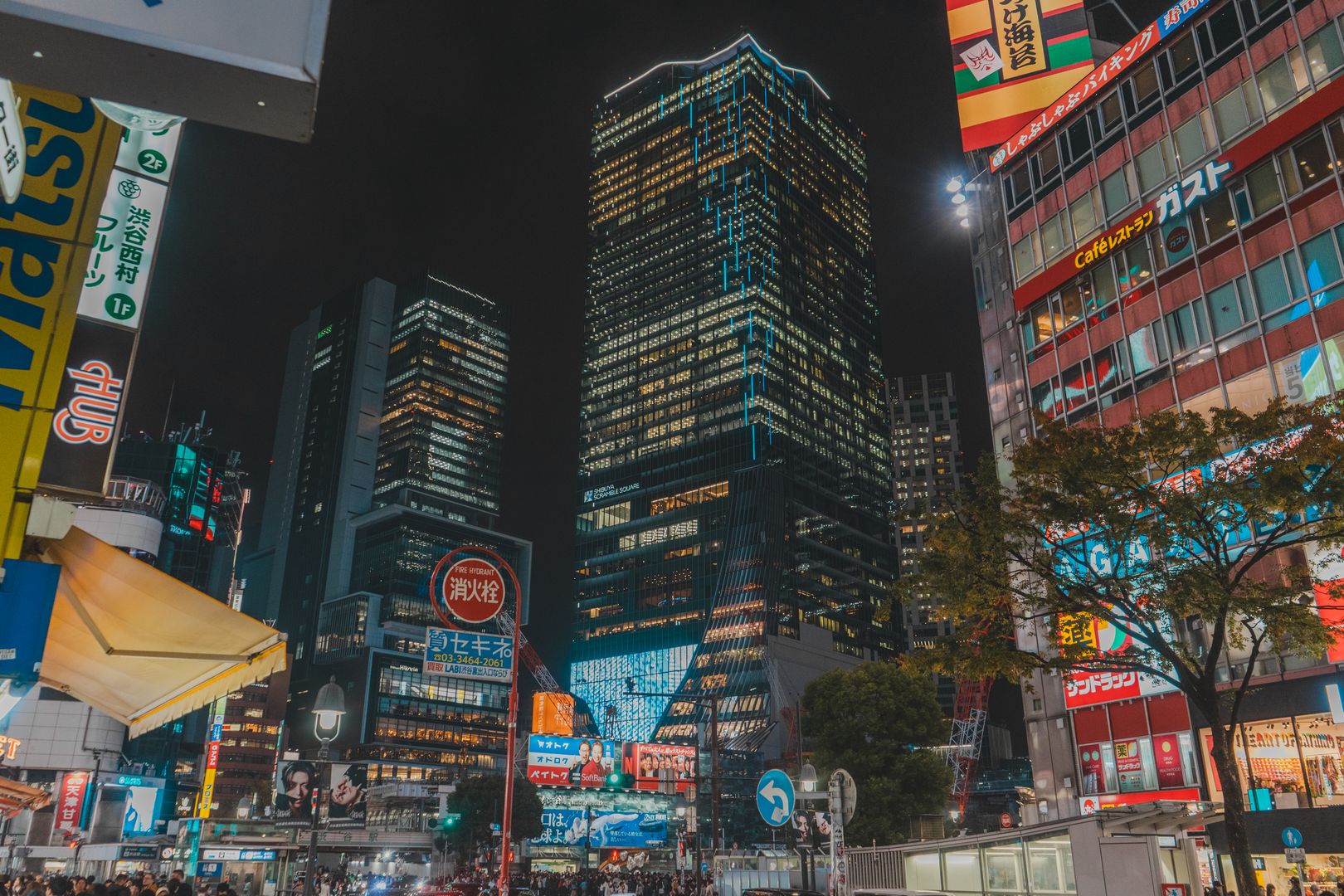

Tokyo rewards a bit of thought about where you sleep, but not agonising. The transport network is so dense that almost any hotel near a Yamanote line station works, so the decision comes down to atmosphere and budget rather than being stranded. The one real constraint: trains stop around midnight and restart around 5am, so a late night out means a taxi home. Here is what each of the main first-timer bases is actually like.
Shinjuku: convenience and neon
Shinjuku station is the busiest in the world, and staying nearby means you can get anywhere fast. The area packs skyscraper hotels, endless food from tiny yakitori alleys to department-store basements, and the nightlife of Kabukicho and the tiny bars of Golden Gai. It can feel overwhelming and the crowds are relentless, but for a first trip the sheer convenience is hard to beat. Rooms span every budget.
Shibuya: young, busy, central
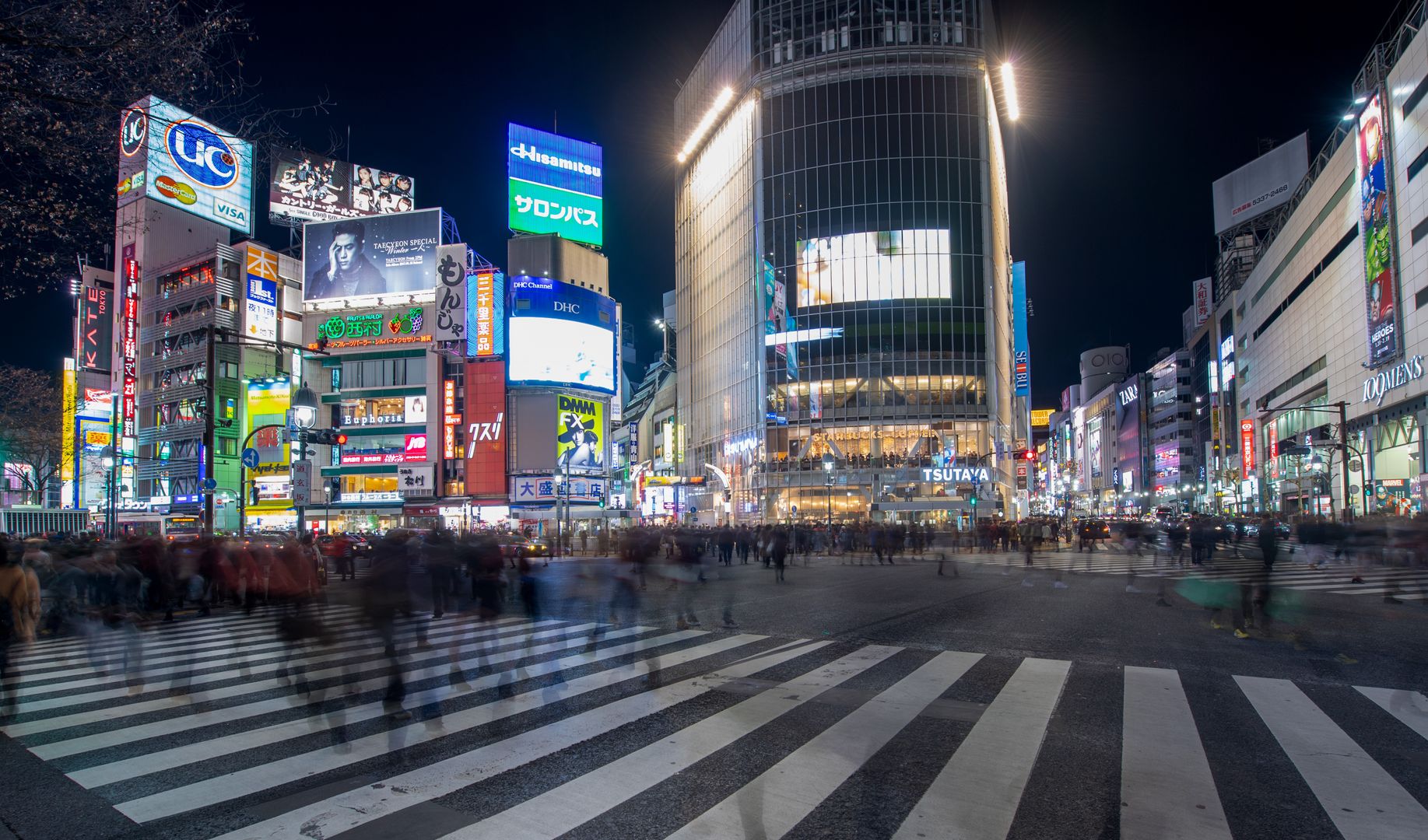
Home of the famous scramble crossing, Shibuya is younger and more fashion-driven than Shinjuku, and walkable to Harajuku and Omotesando. Transport is nearly as good, dining and bars are everywhere, and it feels central without being quite as vast as Shinjuku. A strong choice if you want to be in the thick of contemporary Tokyo.
Asakusa: old Tokyo on a budget
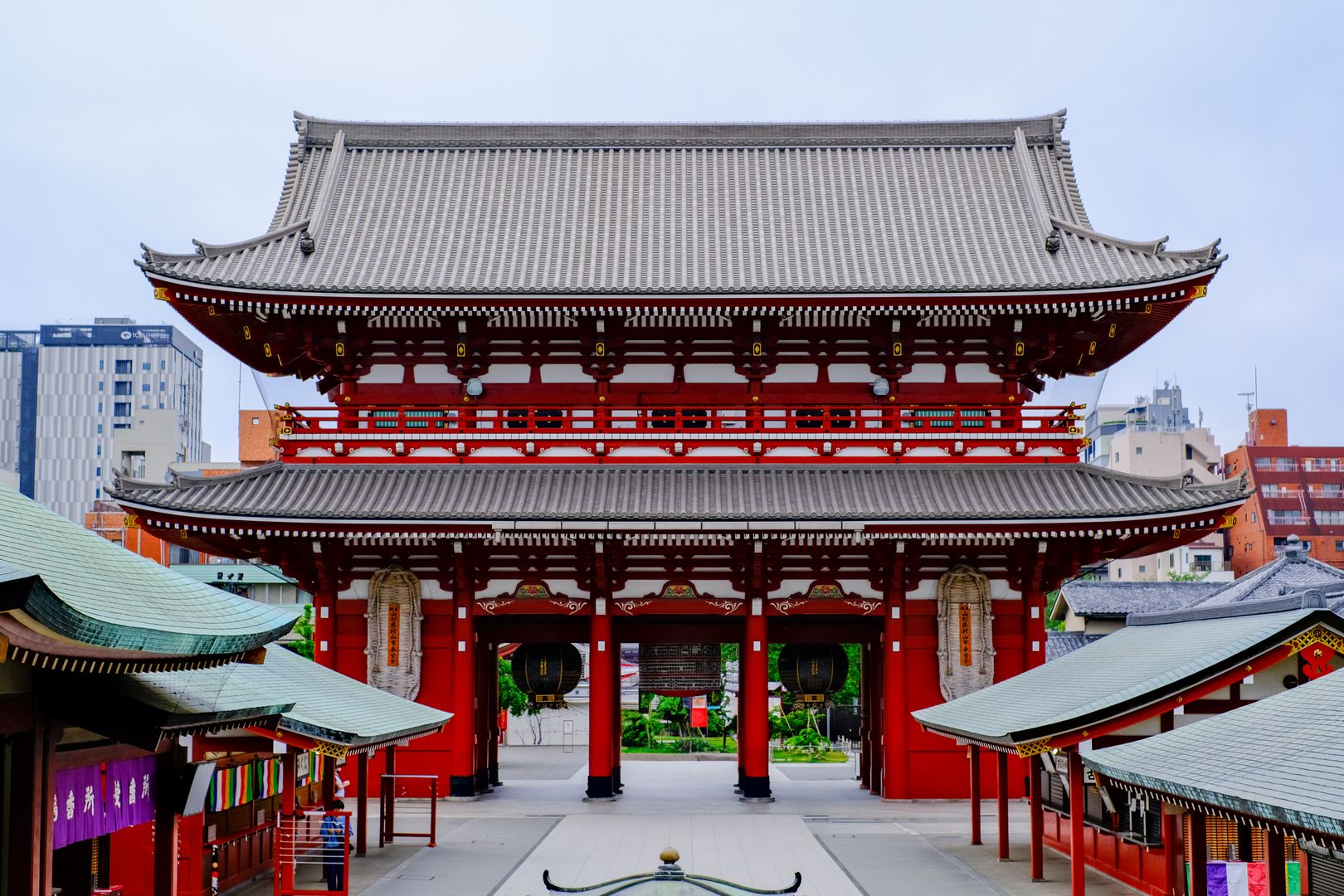
East of the centre, Asakusa is built around the Senso-ji temple and keeps a low-rise, older feel with traditional shops and a slower pace. It has the best-value accommodation of the popular areas, including ryokan-style stays, and the Sumida river nearby. The trade-off is location: it is further from the western hubs and the last-train problem bites harder here, so plan your evenings.
Ginza and Marunouchi: upscale and central
For high-end hotels and proximity to Tokyo Station (your shinkansen departure point for day trips and onward travel), Ginza and Marunouchi deliver. This is polished, expensive Tokyo — flagship stores, refined restaurants, and streets that empty out at night. Right for a comfortable, quiet base if the budget stretches; less lively after dark.
Ueno: value and easy arrivals
Ueno pairs budget-friendly rooms with a big park, several major museums, and its own JR hub. It is also the Tokyo terminus of the Keisei Skyliner from Narita, which makes arrival and departure painless if you fly into Narita rather than Haneda. Less glamorous than the western districts, but practical and well-connected.
Which area should you pick?
First trip, want maximum convenience: Shinjuku. Younger, style-led, still central: Shibuya. Character and lower prices: Asakusa or Ueno. Comfort and quiet with a budget: Ginza. Whatever you choose, prioritise a hotel within a few minutes of a Yamanote or metro station over the district name — in Tokyo, the walk to the train matters more than the postcode.
Frequently Asked Questions
What is the best area to stay in Tokyo for first-timers?
Shinjuku or Shibuya for most people — both are major transit hubs on the Yamanote loop, so you can reach the whole city easily, and both put food and nightlife on your doorstep. Asakusa is the better pick if you want old-Tokyo character and lower prices.
Is it better to stay in Shinjuku or Shibuya?
Shinjuku has the bigger transport hub and more hotels across every budget; Shibuya is younger, slightly more compact, and walkable to Harajuku. Both are excellent bases — the honest difference is small, so book on price and the specific hotel rather than agonising over the district.
Where should I stay in Tokyo on a budget?
Asakusa and Ueno in the east have the most affordable rooms, plenty of hostels and business hotels, and good train access — Ueno is also the terminus for the Keisei Skyliner from Narita. You trade a slightly less central location for meaningfully lower prices.
Is Tokyo easy to get around from any neighbourhood?
Yes. The combined JR and metro network is dense and reliable, and any hotel near a Yamanote line station puts most of the city within 30 minutes. The bigger practical concern is that trains stop around midnight — factor that in if you plan late nights far from your base.