5 articles
26 June 2026
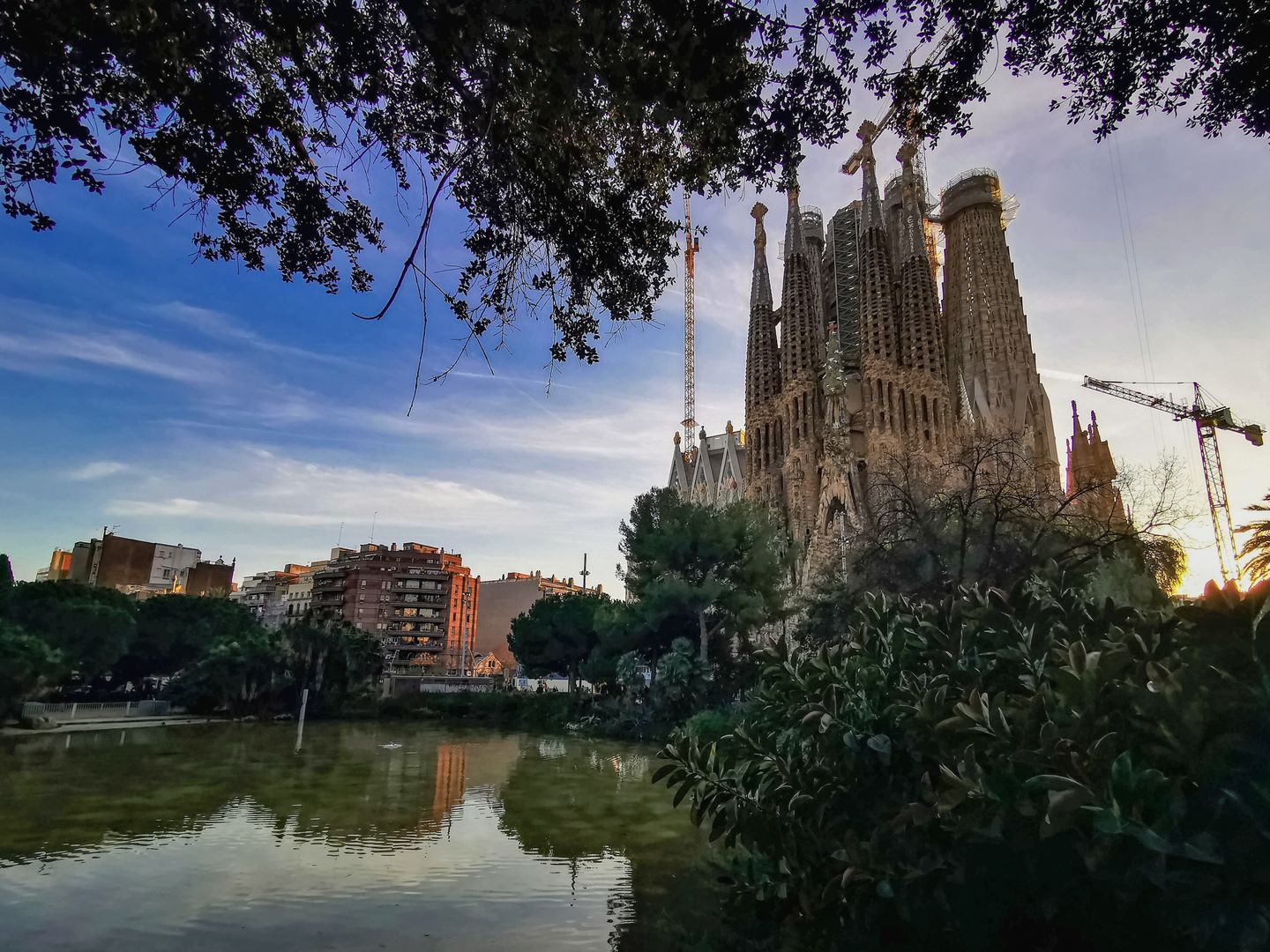
spainWhere to Stay in Barcelona: Best Neighbourhoods
Barcelona's neighbourhoods have sharper personalities than most cities', so the base you choose genuinely changes the trip — Modernista grandeur, medieval lanes, a villagey local scene, or the beach. The metro ties it all together, and one practical thread runs through the decision: this is a pickpocket city, so atmosphere and street-sense both matter. Here is the honest rundown.
Henrik Vinter
26 June 2026
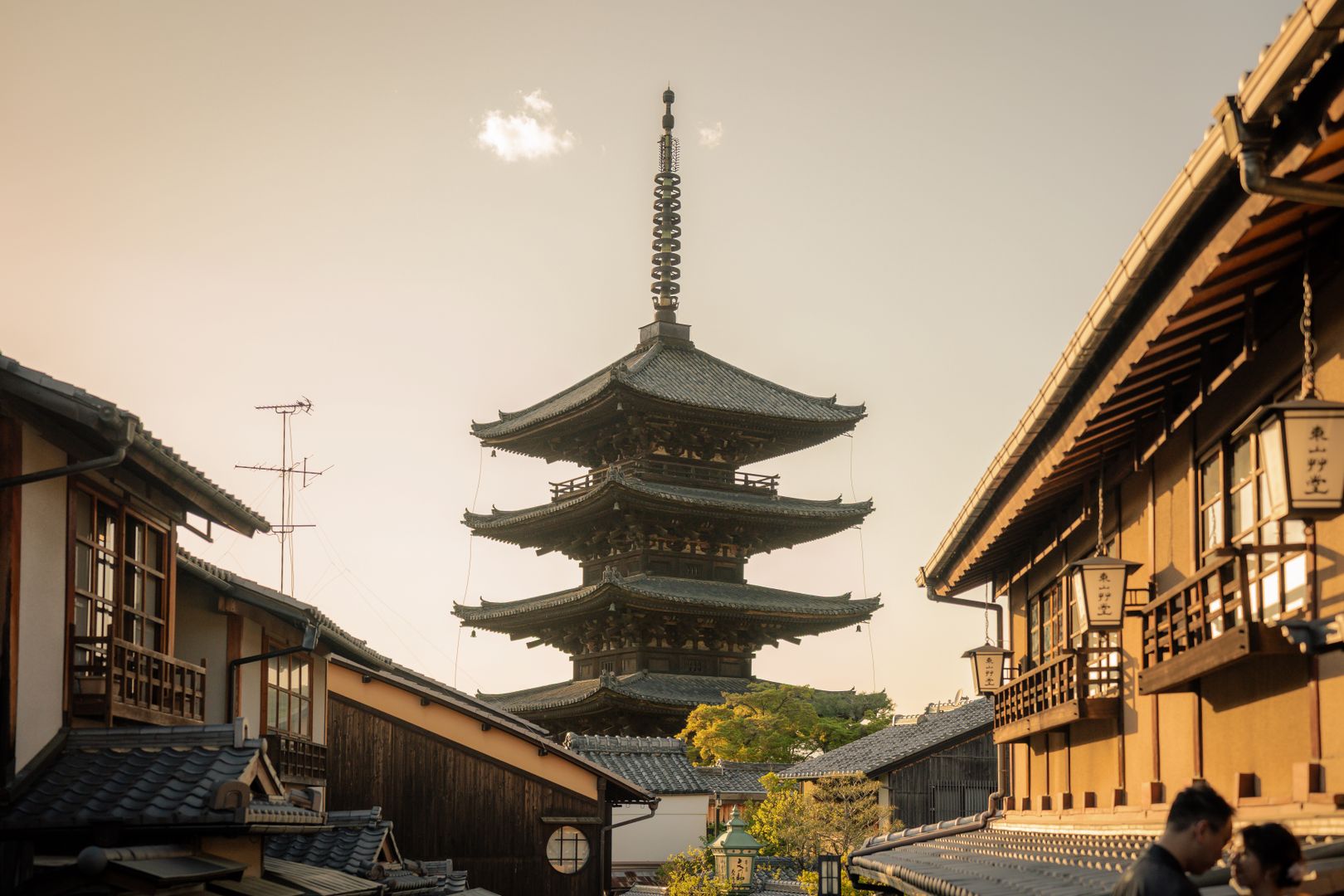
japanWhere to Stay in Kyoto: Best Neighbourhoods by What You Want
Kyoto is smaller and lower than Tokyo, and its sights are spread around the edges rather than the centre, so where you stay shapes how much time you lose to buses and trains. The choice comes down to a few clear trade-offs: central and walkable, practical for day trips, or right among the temples. Here is the honest breakdown.
Henrik Vinter
25 June 2026
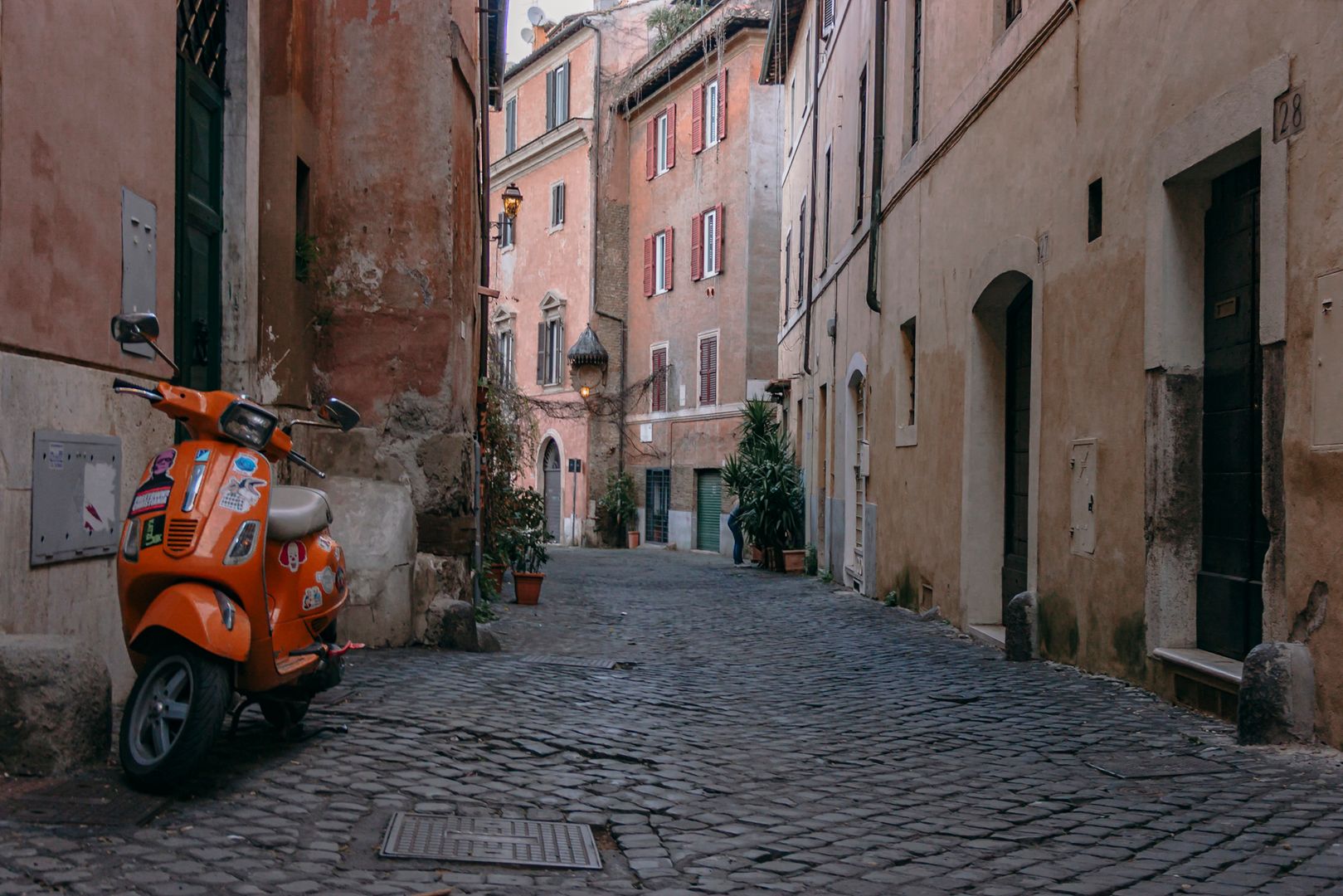
italyWhere to Stay in Rome: Best Neighbourhoods, Honestly
Rome's centre is compact enough to walk, so where you stay is less about transport than about what you want at the end of the day — a floodlit piazza, a dinner-and-wine quarter, or a quiet street away from the crowds. The catch is that the most central addresses are the priciest and the noisiest. Here is the honest trade-off, neighbourhood by neighbourhood.
Henrik Vinter
25 June 2026
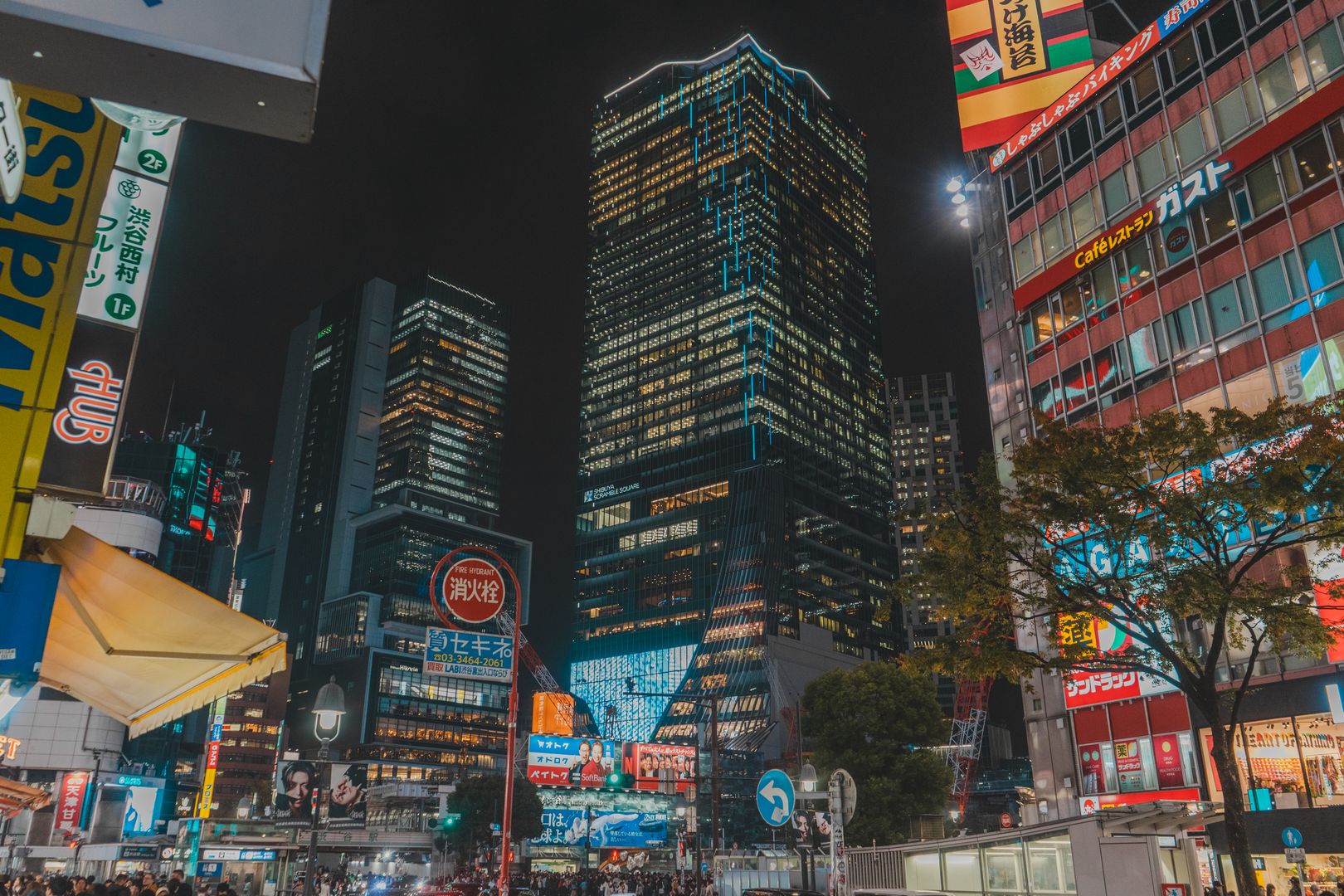
japanWhere to Stay in Tokyo: The Best Areas for First-Timers
Tokyo is not one city but a loose federation of districts, each with its own character, and the train map makes almost all of them workable as a base. So the choice is less about logistics than about what you want to walk out into each morning — neon and crowds, old-Tokyo lanes, or quiet residential order. Here is how the main areas actually differ.
Henrik Vinter
6 January 2026
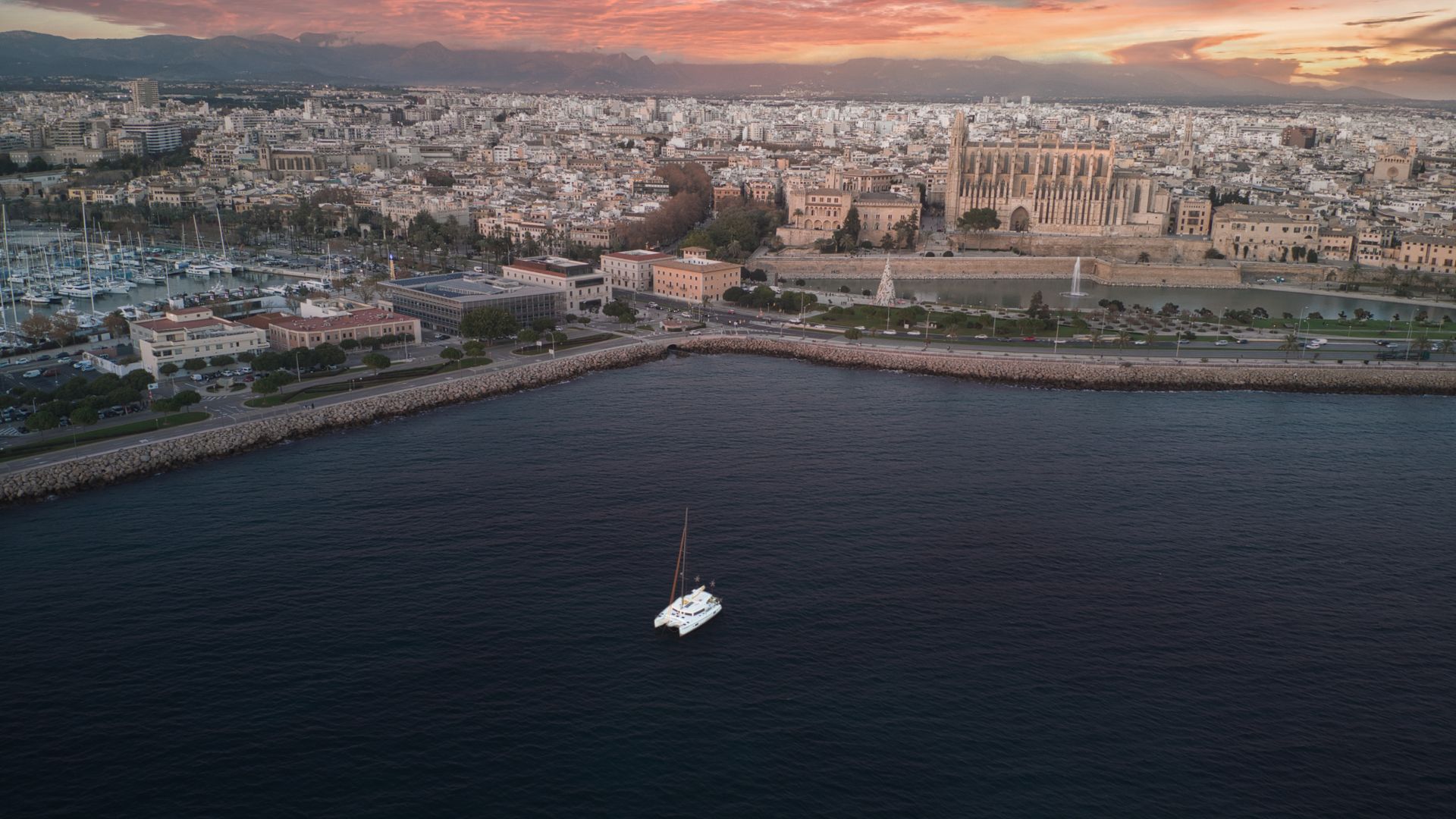
spainPalma, Mallorca: A Practical First-Timer's Guide
Palma is one of those cities that most visitors walk through without actually visiting. The 400,000-person capital of Mallorca sits 8km from the package-holiday strip at Platja de Palma — the two look nothing alike. The old town has a 13th-century Gothic cathedral, 10th-century Arab baths, a covered food market open six days a week, and a Mallorcan food scene that has nothing to do with sangria and burgers. The confusion costs people two to three days of a week-long trip.
Henrik Vinter