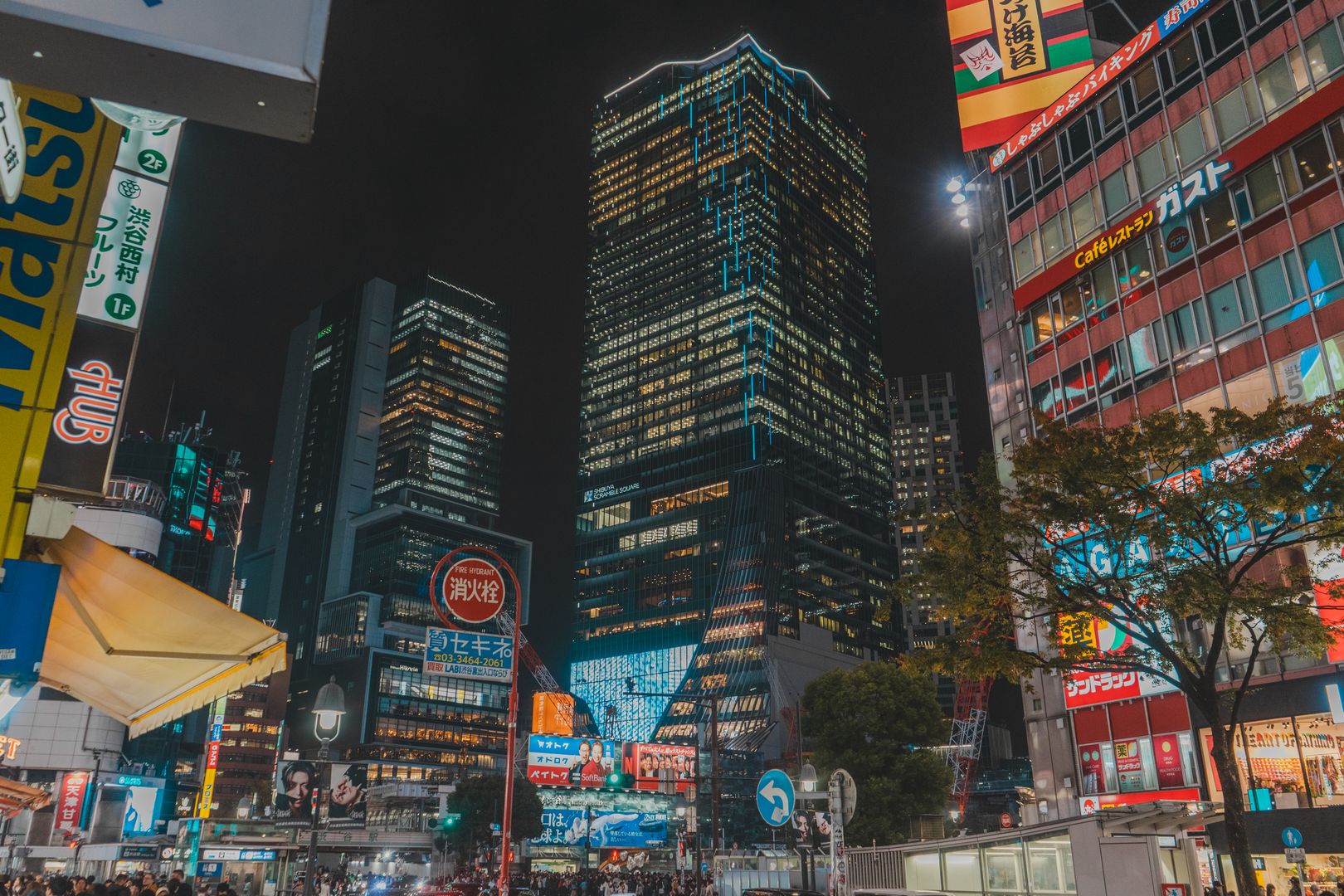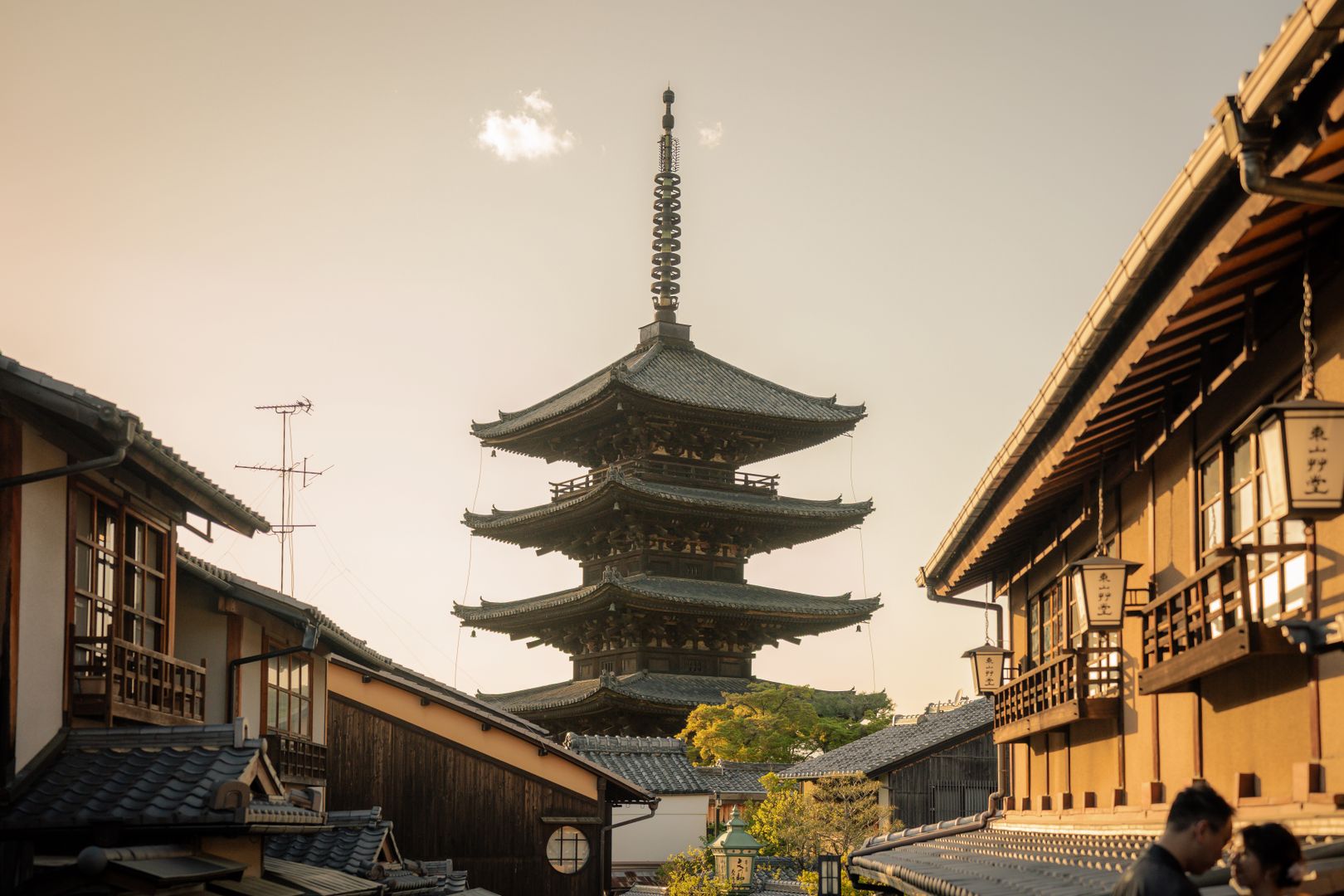

Kyoto's sights ring the city — temples in the eastern and western hills, shrines to the south — while hotels cluster downtown and around the station in the middle. That geography, plus a bus network that clogs in peak season, means your base has a real effect on how much of the day you spend in transit. The good news is that the city is compact enough that no sensible choice is a disaster. Here is how the main areas compare.
Downtown: Kawaramachi and Gion
The central strip along the Kamo river is the best all-round base. You are walking distance from the restaurants and covered arcades of Kawaramachi, the old streets of Gion and Pontocho, and the start of the Higashiyama temple district. Two subway lines and the main bus routes converge here. It is the most convenient place to eat well and end the day on foot, which counts for a lot in a city where the buses crawl.
Near Kyoto Station: practical for day trips
If your plan leans on day trips — Nara, Osaka, Himeji, Uji — basing at Kyoto Station saves real time, because every train and the airport bus start there. The area has the widest range of hotels, from capsules to business chains to the upscale places above the station. It is less atmospheric than downtown and a short subway hop from the nightlife, but for a trip built around rail it is the efficient pick.
Higashiyama: temples on your doorstep
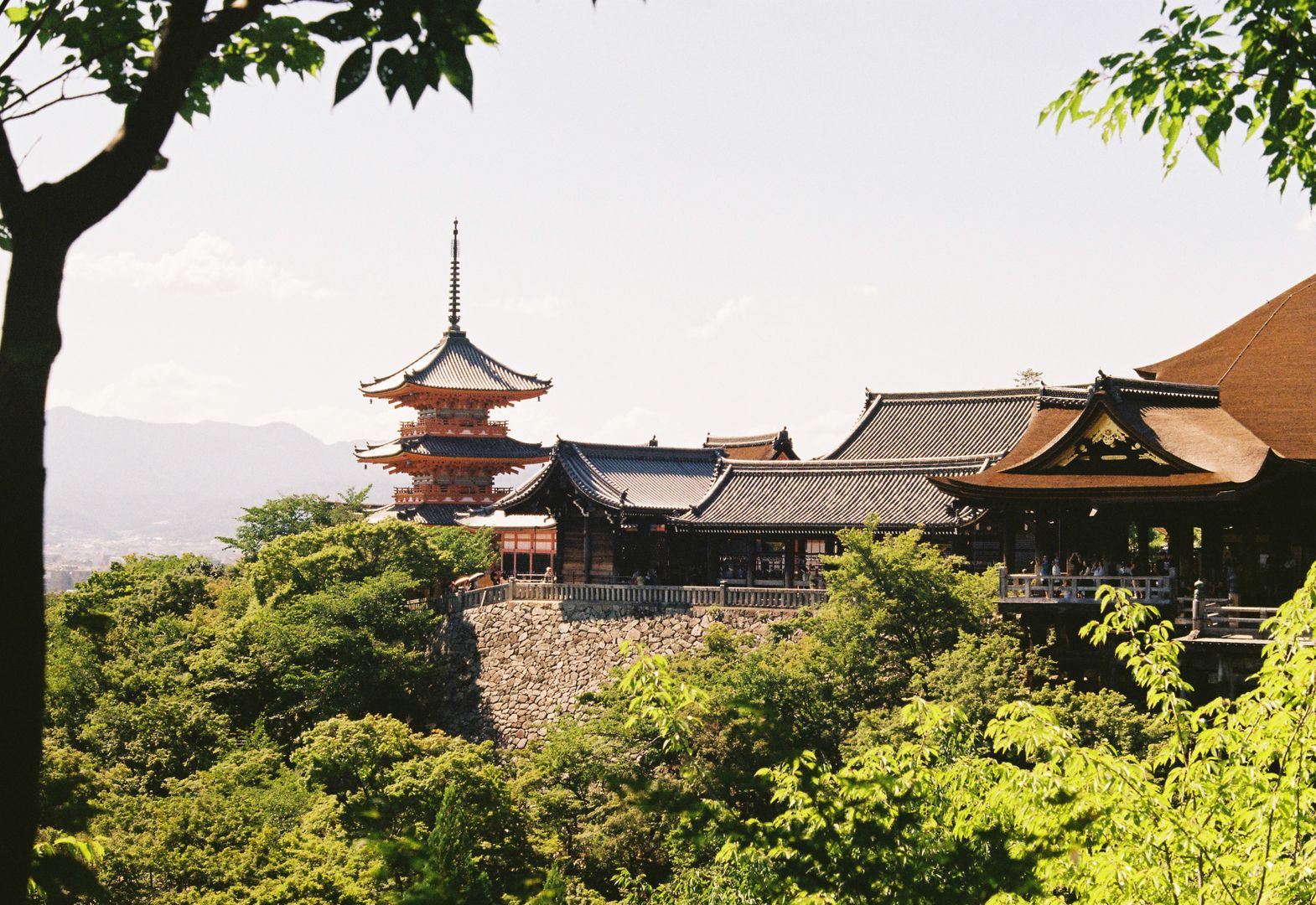
Staying in the eastern hills around Higashiyama puts you among the classic Kyoto sights — Kiyomizu-dera, the Ninenzaka and Sannenzaka lanes, Gion's edges — and lets you reach them before the day-trippers arrive. Accommodation skews toward boutique hotels and machiya stays, often at a premium. The trade-off is fewer casual dinner options nearby and a walk or bus to downtown.
Arashiyama: quiet and scenic, further out
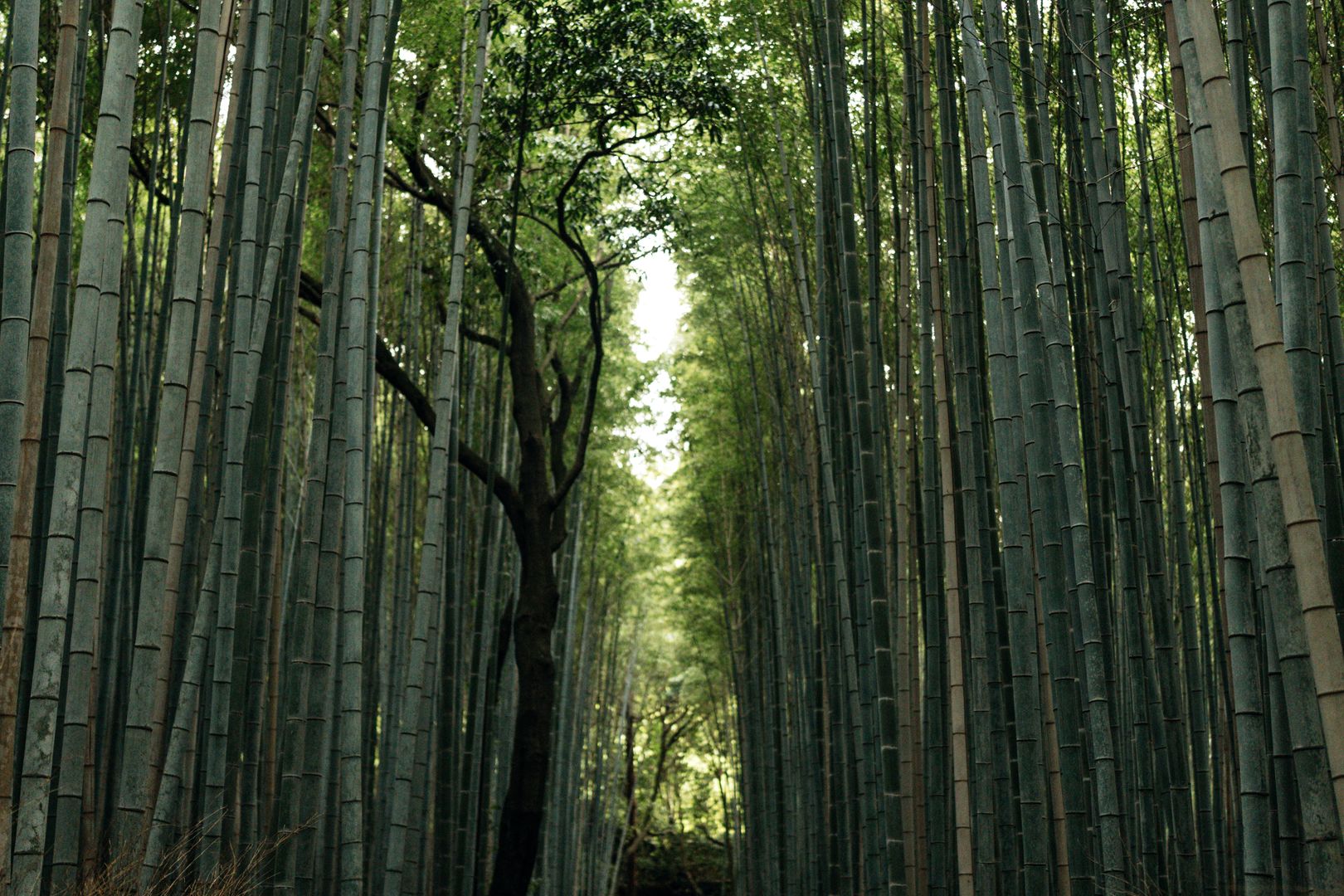
Out west, Arashiyama offers the bamboo grove, the river, and a calmer, greener setting. Sleeping here means you can beat the crowds to the grove at dawn, which is the single best reason to do it. But it is a 20-to-30-minute train ride from the centre and the eastern temples, so it works best as a deliberate choice for quiet rather than as a convenient base.
Ryokan or hotel?
Kyoto is the obvious place to spend a night or two in a ryokan — a traditional inn with tatami floors, futon bedding, and often a multi-course kaiseki dinner. Prices run from modest to eye-watering for a machiya townhouse. You do not need to book your whole stay this way; one or two nights captures the experience, with a regular hotel for the rest.
Which area suits you?
Want to walk to dinner and the eastern temples: downtown Kawaramachi or Gion. Building the trip around day trips: Kyoto Station. Temples at dawn and boutique stays: Higashiyama. Calm and greenery over convenience: Arashiyama. For a first visit, downtown is the safest bet — central, walkable, and close to the food.
Frequently Asked Questions
What is the best area to stay in Kyoto?
Downtown around Kawaramachi and Gion for most visitors — it is central, walkable to dining and the eastern temples, and well served by buses and two subway lines. Near Kyoto Station is the practical alternative if you are doing a lot of day trips.
Should I stay near Kyoto Station or downtown?
Kyoto Station is best if you are day-tripping to Nara, Osaka, or beyond, since every train starts there. Downtown (Kawaramachi/Gion) is better for atmosphere, dining, and walking to Higashiyama's temples. The two are only about 10 minutes apart by subway, so neither is a wrong choice.
Is it worth staying in a ryokan in Kyoto?
Kyoto is one of the best places in Japan to try a ryokan, with everything from budget inns to expensive machiya townhouse stays. One or two nights is plenty to get the experience — tatami rooms, futons, and often a kaiseki dinner — without committing your whole trip to it.
Is Arashiyama a good area to stay in Kyoto?
Arashiyama is scenic and quiet, good for early access to the bamboo grove before the crowds, but it is on the western edge and a fair way from the main eastern sights and downtown dining. Stay here for calm and nature, not for convenience.