Showing 121–132 of 270 articles

16 April 2026
colombiaCartagena, Colombia: Walled City, Caribbean Coast, and What to Skip
Cartagena's walled city is one of the best-preserved Spanish colonial centres in the Americas. The surrounding Caribbean coast is the most straightforward beach region in Colombia to visit independently.
Henrik Vinter

15 April 2026
mexicoYucatán Peninsula Travel Guide: Ruins, Cenotes, and the Caribbean Coast
The Yucatán Peninsula holds the largest concentration of Mayan ruins in the Americas, a coastline that splits between backpacker-heavy Tulum and family-resort Riviera Maya, and 6,000 freshwater cenotes. Here's how to navigate it.
Henrik Vinter

15 April 2026
thailandChiang Mai Elephant Sanctuaries: How to Find the Ethical Ones
Chiang Mai has dozens of elephant camps. Only a handful prioritize animal welfare. Here's how to tell the difference and what to expect at the better ones.
Henrik Vinter

14 April 2026
croatiaSplit, Croatia: A Travel Guide to the Dalmatian Coast's Biggest City
Split is built inside a Roman palace. Diocletian's retirement home from 305 AD is now a functioning neighbourhood with bars, restaurants, and apartment rentals in the cellars. That's the thing that makes it different.
Henrik Vinter

13 April 2026
indiaKerala Travel Guide: Backwaters, Beaches, and When Monsoon Works
Kerala has two monsoon systems and one of India's most functional tourist infrastructures. The backwaters, the hill stations, and the beaches are all accessible without the logistical friction of many Indian destinations.
Henrik Vinter
13 April 2026
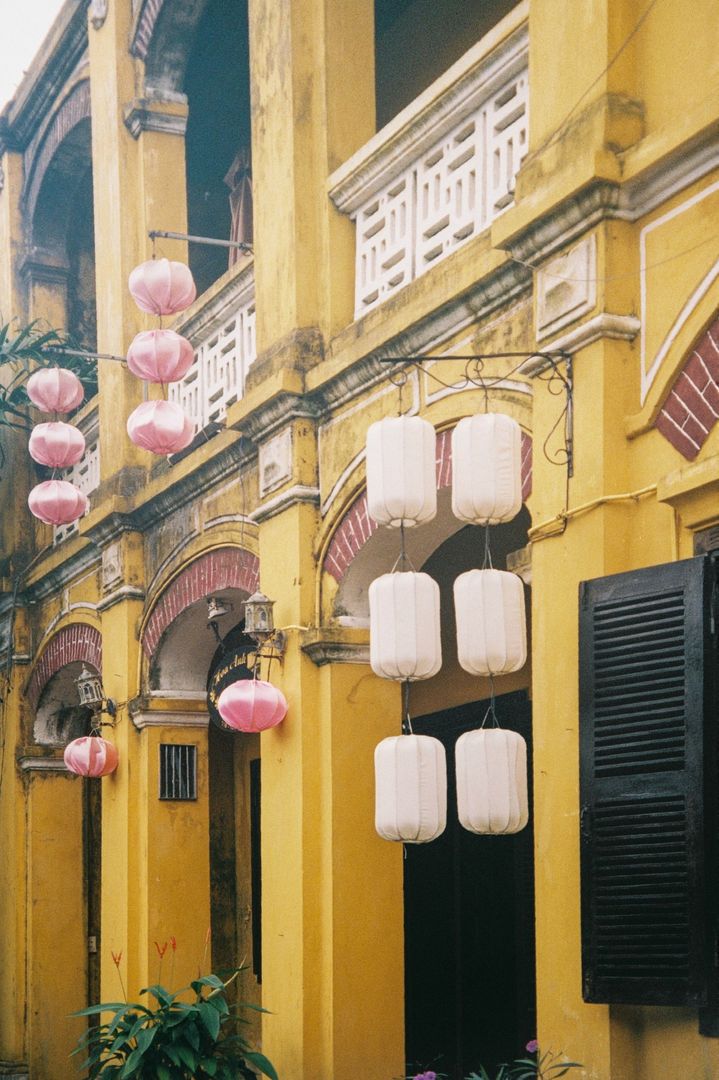
vietnamHoi An Travel Guide: Ancient Town, Tailors, and Getting the Timing Right
Hoi An's Ancient Town is genuinely old and genuinely atmospheric—but it's also one of Vietnam's most visited destinations, with pricing to match. Here's how to make it work.
Henrik Vinter

12 April 2026
moroccoFez Travel Guide: Navigating the World's Largest Car-Free Urban Area
Fez el-Bali is a 1,200-year-old medina with 9,000 streets and no motor vehicles. It's the largest car-free urban area in the world. Getting lost is not a metaphor—it happens to everyone.
Henrik Vinter
11 April 2026
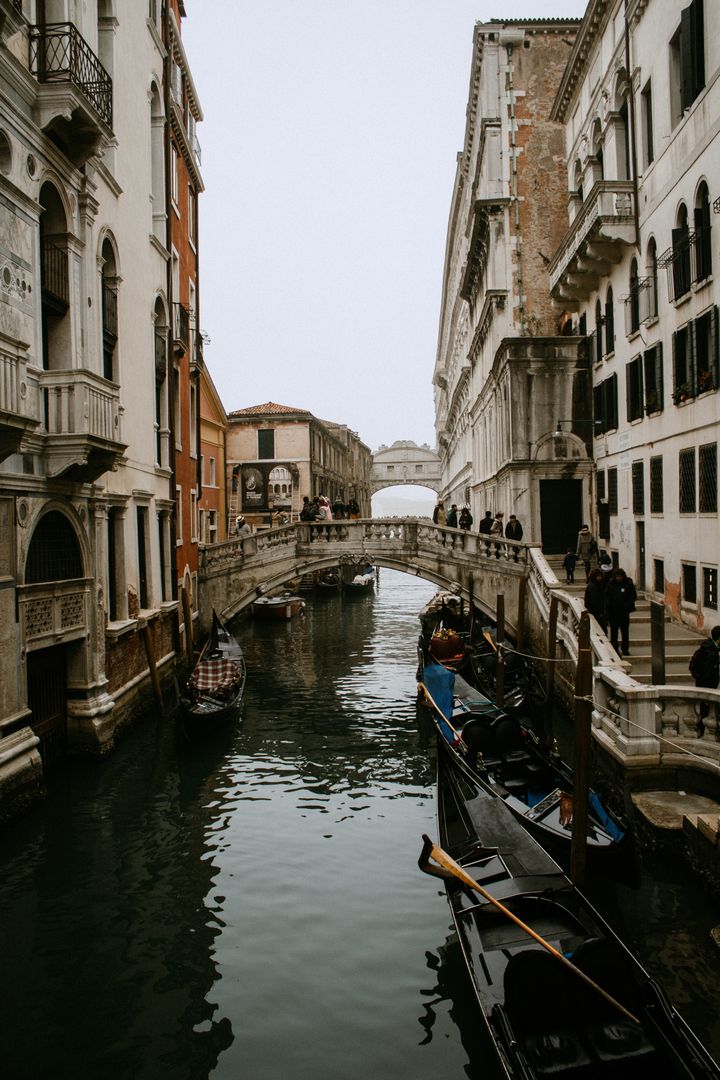
italyVenice Travel Guide: What to Know Before You Go
Venice works best in October or January, when the crowds thin and prices drop. Here's how the city actually functions—transport, costs, and which parts are worth your time.
Henrik Vinter

11 April 2026
portugalAlgarve Travel Guide: Beaches, Costs, and When to Go
The Algarve's 150km of coastline splits into two distinct halves. The west is wilder and windier; the east is calmer and more developed. Which one you want depends on why you're going.
Henrik Vinter

10 April 2026
turkeyCappadocia Travel Guide: Hot Air Balloons, Cave Hotels, and Logistics
Cappadocia's balloon flights sell out 2–3 weeks ahead in spring and autumn. The landscape is genuinely unlike anywhere else in the world, and the logistics are simpler than the distance from Istanbul suggests.
Henrik Vinter

9 April 2026
franceNice and the French Riviera: A Practical Travel Guide
Nice is the most affordable base on the Côte d'Azur, with Monaco 20 minutes east and Antibes 15 minutes west. Here's how to use it without the resort-town markup.
Henrik Vinter

9 April 2026
japanTokyo Neighbourhoods: Where to Stay and What Each Area Is Like
Tokyo spans 627 km² across 23 special wards and over 40 distinct neighbourhoods, each with its own character, price tier, and convenience profile. Where you stay determines your daily commute pattern and which parts of the city feel accessible — staying in the wrong area for your interests can add 45 minutes of transit time to every outing. The Yamanote Line, the circular JR loop connecting 29 stations in 60 minutes, forms the city's backbone. East of it (Asakusa, Ueno, Akihabara) tends toward tradition and affordability; west (Shinjuku, Shibuya, Harajuku, Omotesando) leans contemporary and expensive. Understanding this geography before booking is more useful than comparing hotel star ratings.
Henrik Vinter