Showing 1–12 of 18 articles
28 June 2026
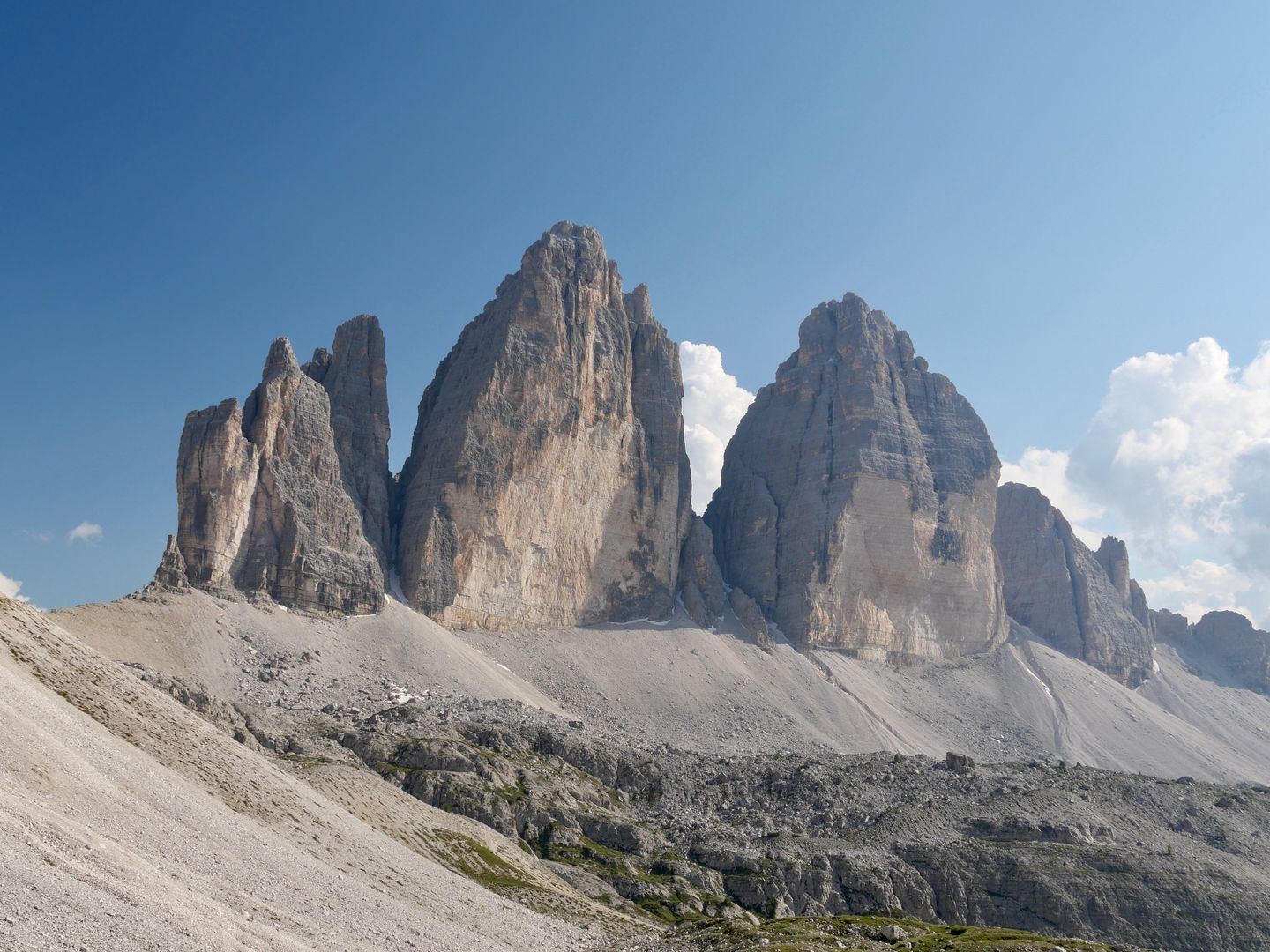
italyThe Dolomites Travel Guide: When to Go and Where to Base Yourself
The Dolomites are the most dramatic mountains in Italy and the trickiest to plan, because they run on a strict two-season rhythm: cable cars and mountain huts open for summer hiking and again for winter skiing, and close in the gaps between. Get the timing and the base right and you barely need to be a hiker to see them. Here is how.
Henrik Vinter
27 June 2026
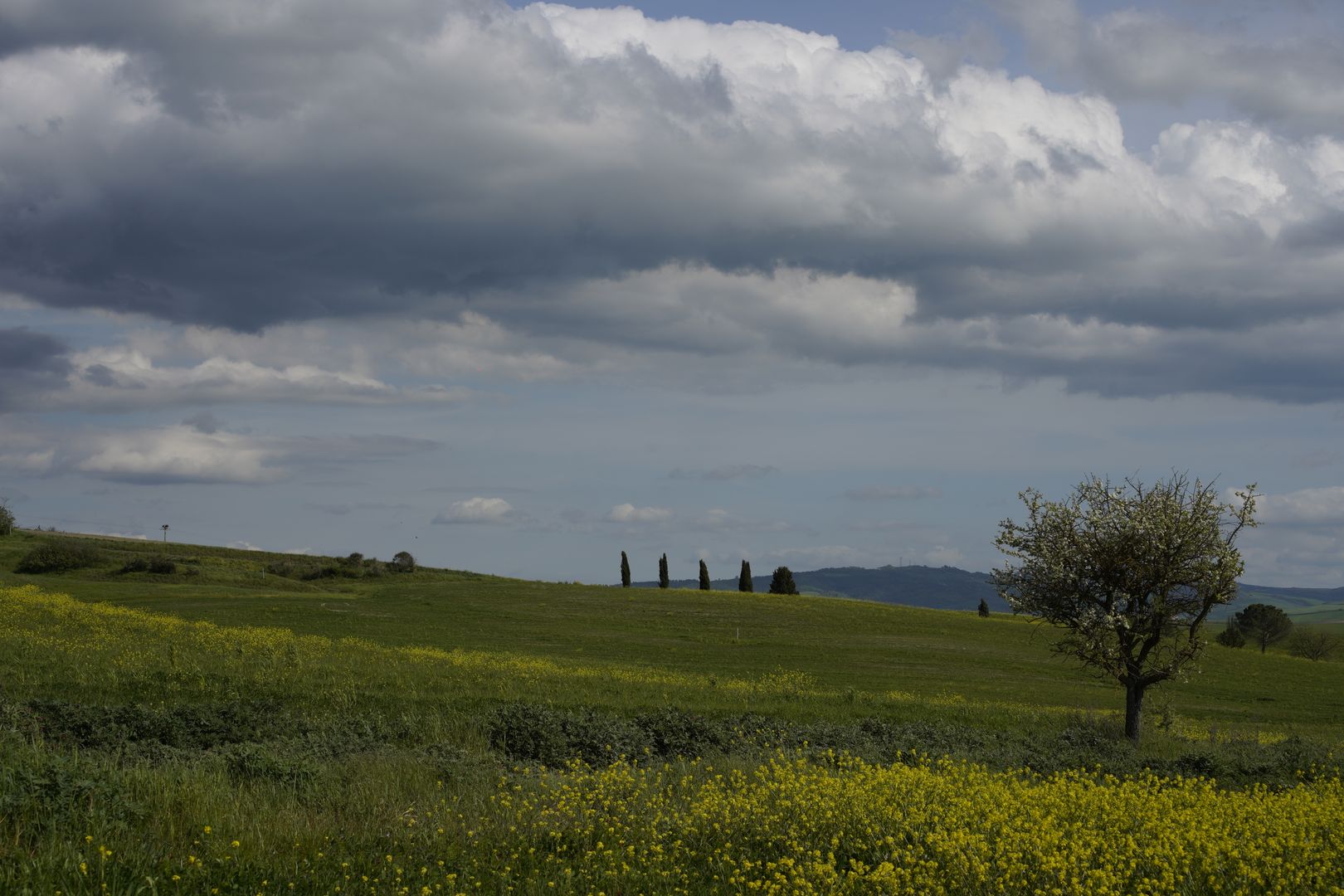
italyTuscany Travel Guide: Beyond Florence
Most people meet Tuscany as a day or two in Florence and think they have seen it. But the region's real character is in the hill towns, the wine roads, and the empty valleys of the Val d'Orcia — none of which you reach without leaving the city. Here is how to see the countryside properly: whether you need a car, which towns are worth it, and when to come.
Henrik Vinter
25 June 2026
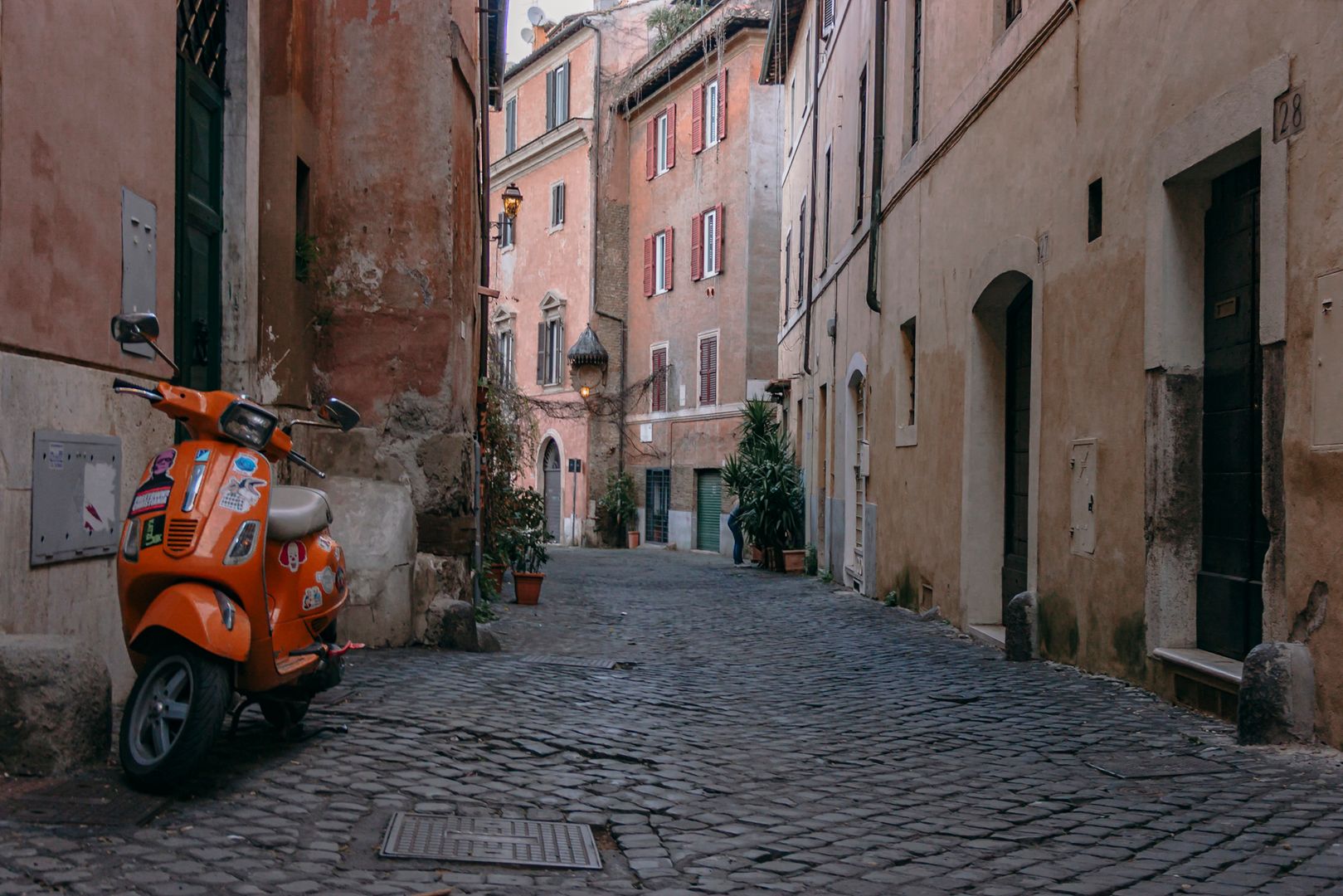
italyWhere to Stay in Rome: Best Neighbourhoods, Honestly
Rome's centre is compact enough to walk, so where you stay is less about transport than about what you want at the end of the day — a floodlit piazza, a dinner-and-wine quarter, or a quiet street away from the crowds. The catch is that the most central addresses are the priciest and the noisiest. Here is the honest trade-off, neighbourhood by neighbourhood.
Henrik Vinter

4 June 2026
italyNaples Travel Guide: The City, the Food, and the Excursions
Naples has a metropolitan population of 3 million, a UNESCO World Heritage centre storico, the world's most complete Roman artifact museum, and pizza that genuinely justifies the claim of being better here than anywhere else. It also requires approximately 12 hours of adjustment…
Henrik Vinter

4 June 2026
italyCinque Terre Travel Guide: The Five Villages, the Trails, and the Crowds
Five fishing villages on a 15km stretch of Ligurian coastline, connected by regional trains and a partially accessible coastal path — that is the Cinque Terre. The combination of colourful stacked houses, clear water, and easy train access from Milan or Pisa has made it one of…
Henrik Vinter
4 June 2026
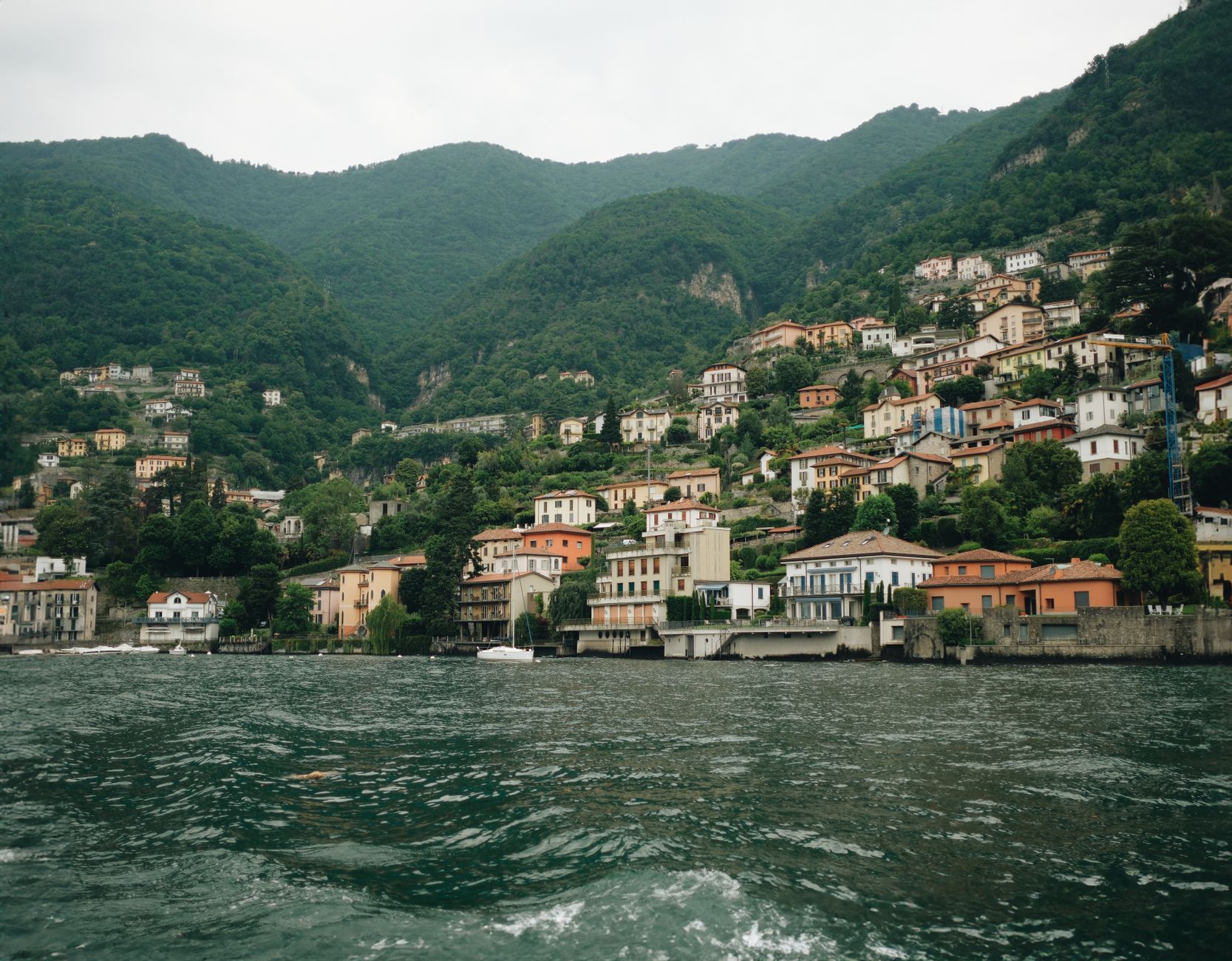
italyLake Como Travel Guide: Towns, Ferries, and What Most Visitors Get Wrong
Lake Como sits 50km north of Milan in the Lombardy foothills, split into two branches by a central promontory where Bellagio stands. It is 46km long, up to 410m deep, and has been a destination for European elites since Roman times — Pliny the Younger had a villa here. The…
Henrik Vinter
28 May 2026
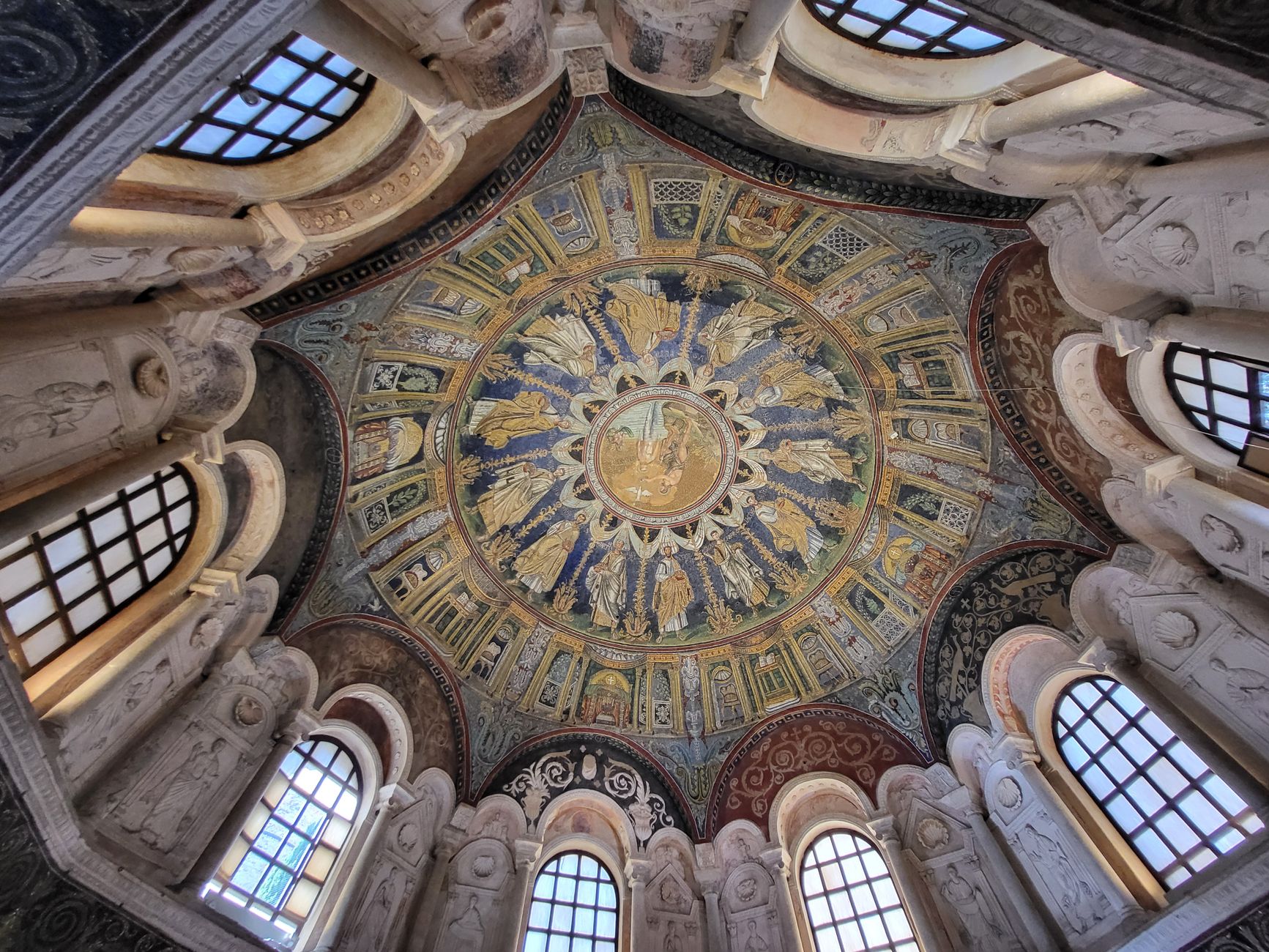
italyRavenna Travel Guide: Italy's Byzantine Mosaic Capital
Ravenna was the capital of the Western Roman Empire from 402 CE until its fall in 476, then the seat of the Ostrogothic kingdom, then the centre of the Byzantine Exarchate of Italy from 540 to 751 CE. Each transition pro
Henrik Vinter
28 May 2026
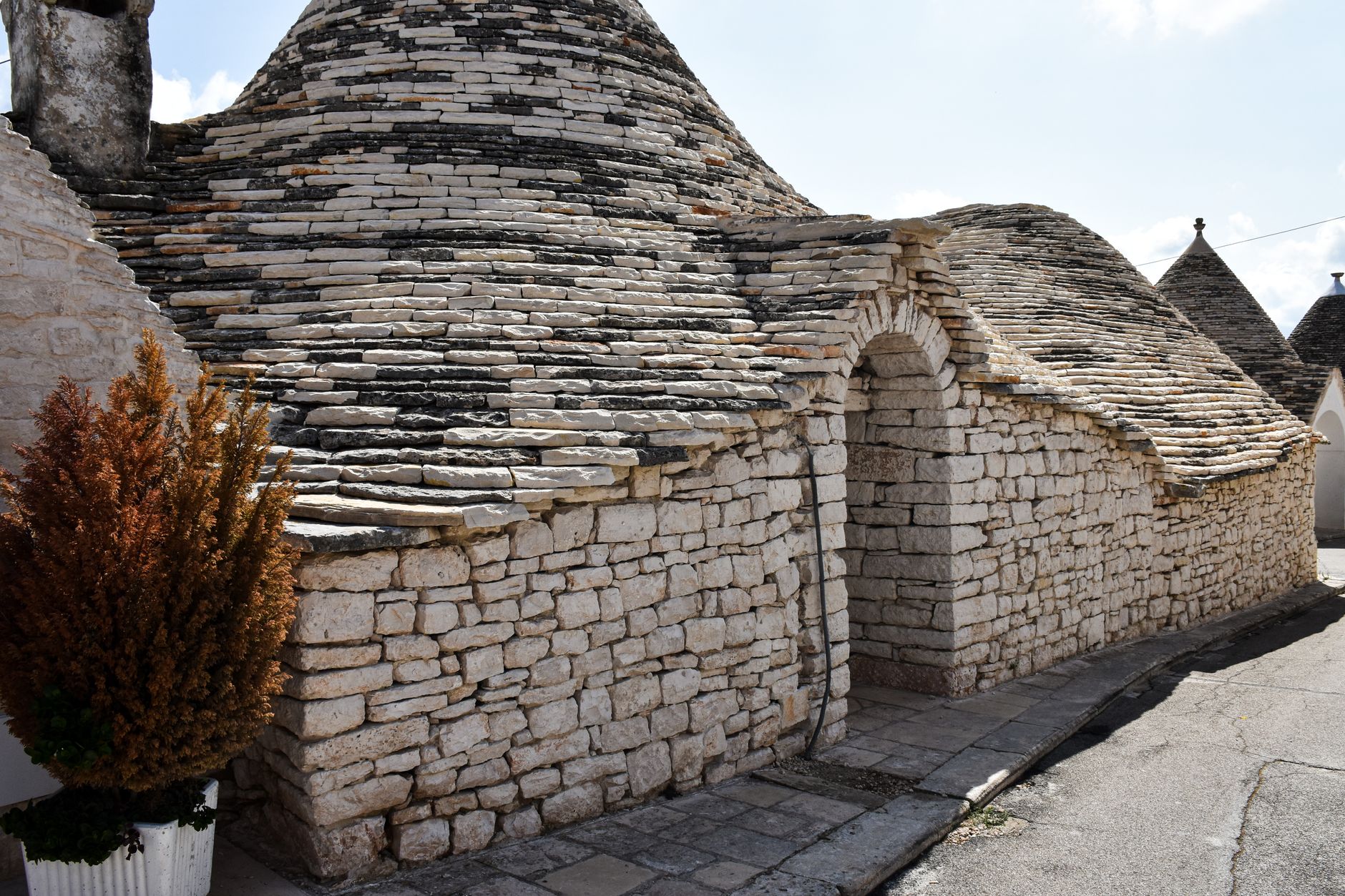
italyAlberobello Travel Guide: Puglia's Trulli District
Alberobello's trulli are not a reconstruction or a theme park — roughly 1,500 of the stone cone houses are still standing in the original form, many still inhabited, and the two concentrations in the Rione Monti and Aia
Henrik Vinter

28 May 2026
italyOrvieto Travel Guide: The Cathedral Town on the Tufa Cliff
Orvieto sits on a flat-topped plateau of volcanic tufa rock rising 300 metres above the valley of the Paglia river. The plateau is sheer on every side — the medieval town on top of it has never needed defensive walls bec
Henrik Vinter
28 May 2026
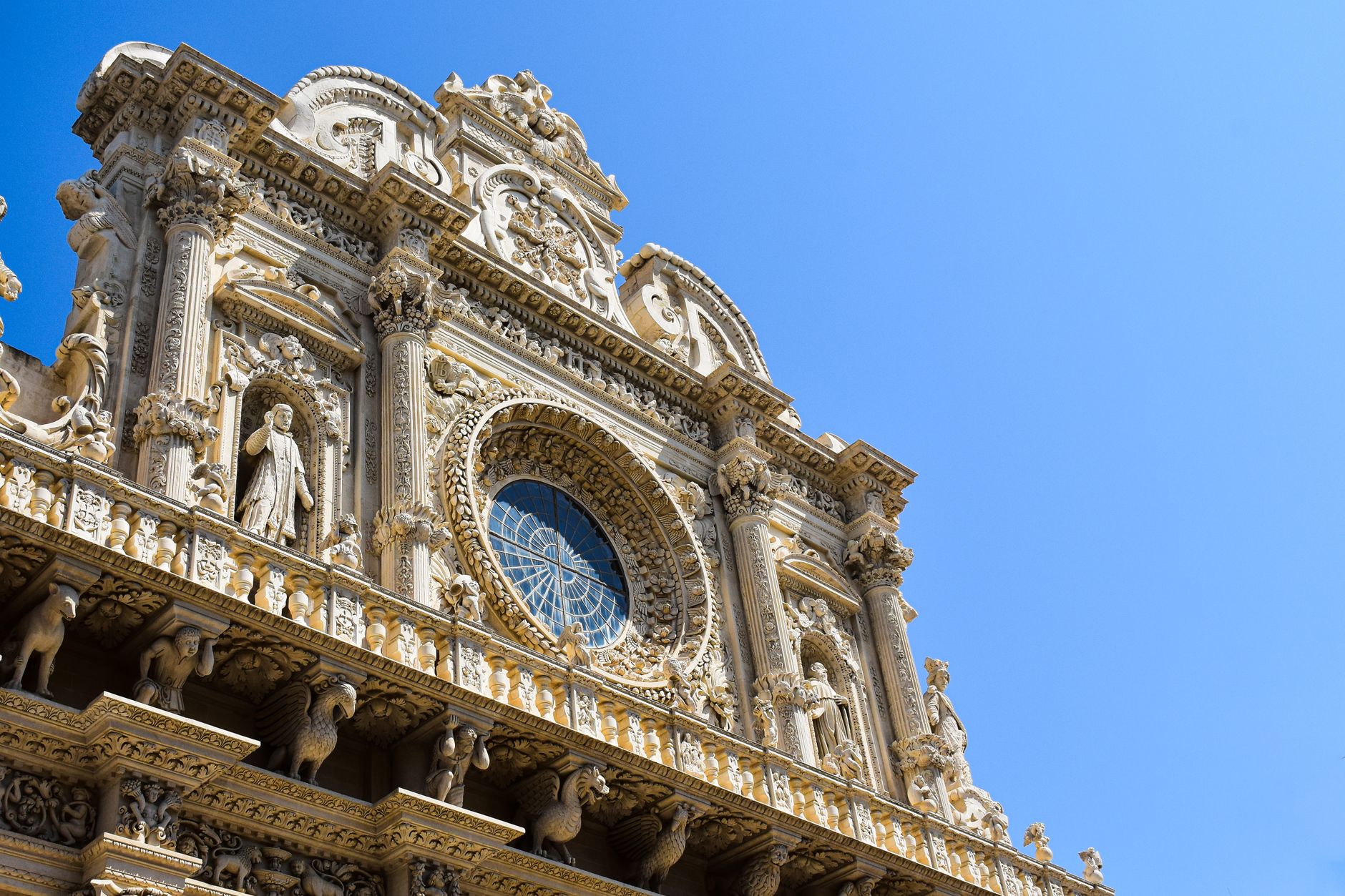
italyLecce Travel Guide: The Baroque City at the Heel of Italy
Lecce's historic centre contains more ornate Baroque architecture per square metre than anywhere else in southern Italy. Every church facade, palazzo doorway, and civic building is carved from pietra leccese — a fine-gra
Henrik Vinter
28 May 2026
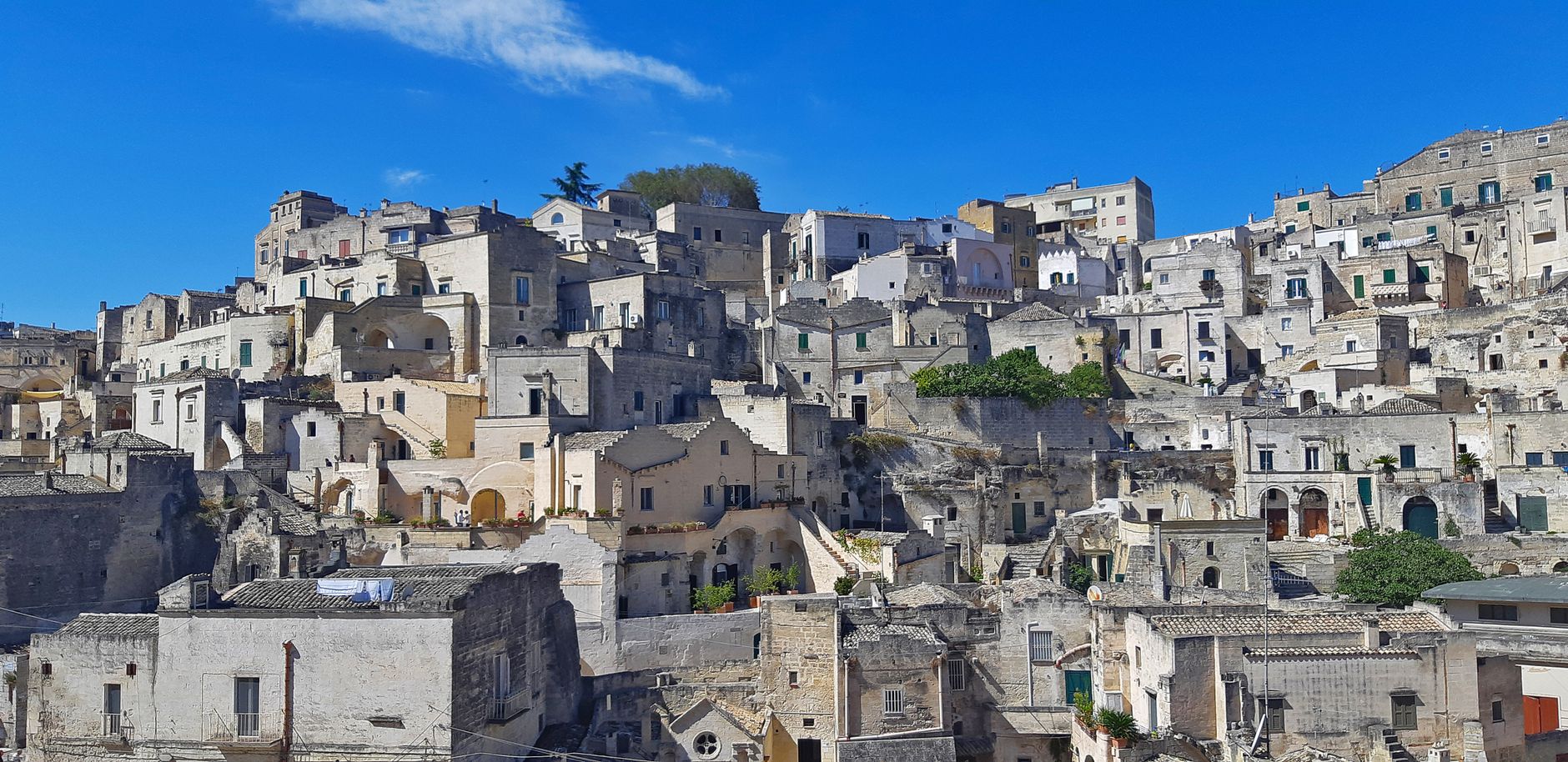
italyMatera Travel Guide: The Cave City and How to Visit It
Matera is one of the oldest continuously inhabited settlements on earth — people have lived in these carved limestone caves for at least 9,000 years. The city was declared a UNESCO World Heritage Site in 1993 and served
Henrik Vinter
1 May 2026
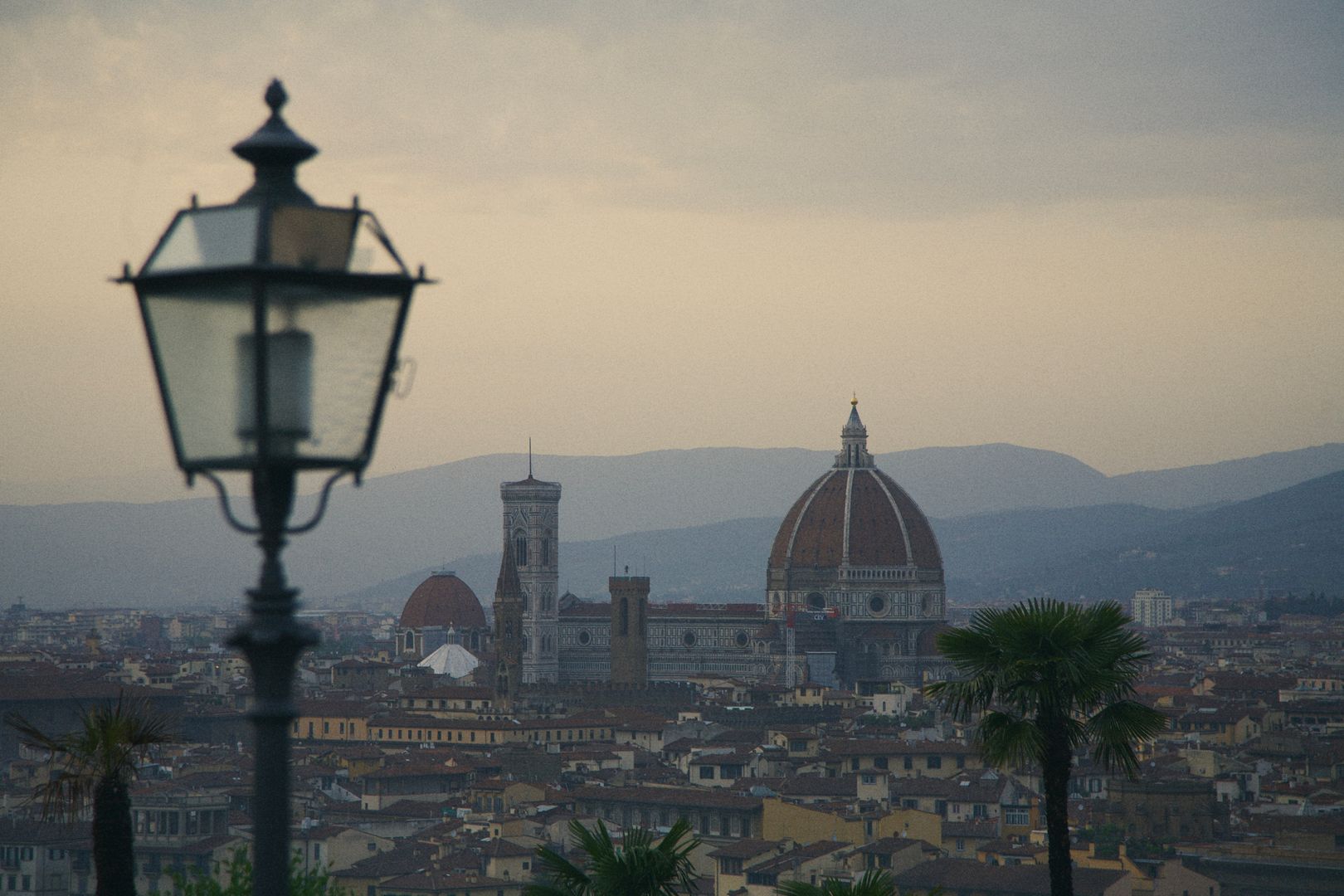
italyFlorence Travel Guide: The Uffizi, the Food, and the City Beyond the Renaissance Superlatives
Florence is one of the most densely concentrated collections of Renaissance art in the world, in a city of 380,000 people that receives 12 million visitors annually. The logistics — booked museums, booked restaurants, strategic timing — matter more here than almost anywhere else in Europe.
Henrik Vinter