Showing 217–228 of 270 articles

10 February 2026
swedenStockholm: What to Do, Where to Eat, and When to Go
Stockholm sits on 14 islands where Lake Mälaren meets the Baltic Sea, and the water is genuinely everywhere—visible from almost any street corner, crossed by bridges constantly. The architecture alternates between baroque palaces and severe Functionalist rectangles. Summer light in June barely sets. The city is also expensive: a coffee costs €5, a beer €8, a dinner for two at a competent mid-range restaurant €80. This requires specific cost-management strategies rather than avoidance.
Henrik Vinter

10 February 2026
greeceAthens: What First-Timers Get Wrong and How to Get It Right
Most travellers treat Athens as a transit point — a day or two on the way to Santorini or Mykonos. This is a strategic error. The city contains the Acropolis, one of the finest ancient sites in the world, a purpose-built archaeology museum that ranks among Europe's best, several distinct neighbourhoods worth actual time, and a food scene that has developed measurably over the past decade. Three focused days in Athens are more rewarding than a rushed visit followed by a week on an island. The infrastructure exists to see the best of it without joining the cruise-ship pile-up. You just need to know how to time it.
Henrik Vinter

9 February 2026
franceParis Without the Tourist Traps: A Practical First Visit Guide
Paris simultaneously presents two contradictory experiences: monuments surrounded by queues of 90 minutes, and neighbourhoods fifteen minutes away where locals move through near-empty streets without a second glance. Most first-time visitors spend three days photographing the Eiffel Tower and two hours in the Louvre's Mona Lisa crush, then leave without understanding why the city matters. This guide is designed to correct that balance—to show you how to see the essential works without surrendering your entire visit to queuing, and more importantly, where to actually spend time.
Henrik Vinter
9 February 2026
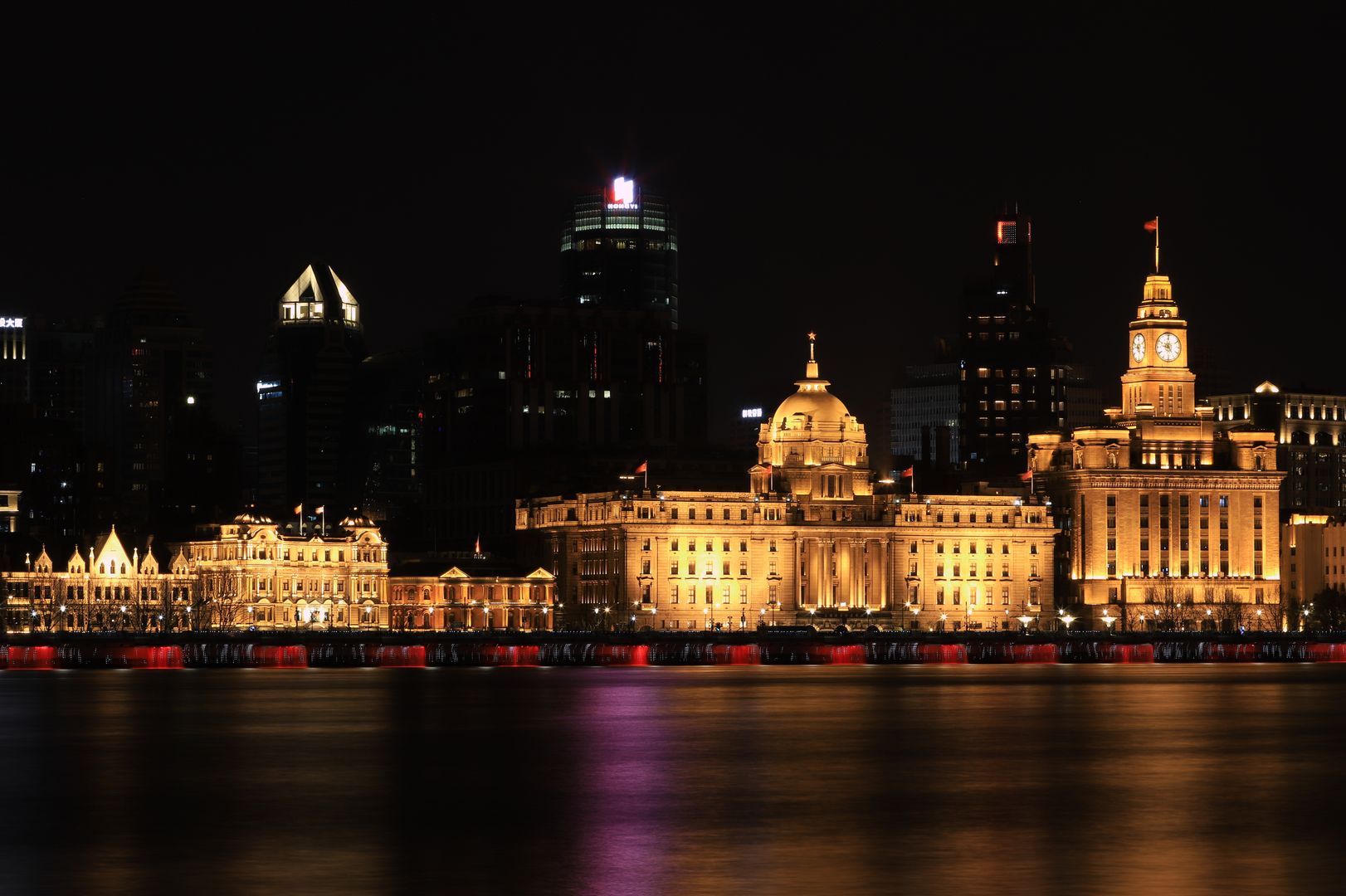
chinaShanghai Travel Guide: The Bund, Pudong, and the French Concession
Shanghai is China's most cosmopolitan city — a place where 1930s European colonial architecture faces off across the Huangpu River against the second-tallest skyline on earth. Here's how to read it.
Henrik Vinter

8 February 2026
united kingdomScotland's Highlands: A Self-Drive Guide for First-Timers
The Scottish Highlands span approximately 9,500 square kilometres across the north and west of Scotland, but what matters to a driver is this: Inverness to John o' Groats is 150km; Inverness to Fort William is 65km; and the North Coast 500 circuit totals 830km of primarily single-track road through terrain that changes radically every 20 minutes. Plan for an average of 60kph—not 80—because single-track roads with passing places, sheep, and weather collapse any pretence of speed. A realistic Highland road trip requires either seven days for a compact circuit or ten to fourteen days if you're committing to the North Coast 500 route properly.
Henrik Vinter

7 February 2026
new zealandNew Zealand's South Island: The Self-Drive Guide
New Zealand's South Island demands more time than the map suggests. The fjords, glaciers, and mountain ranges are genuine — among Earth's most dramatic landscapes — but distances are deceptive. Winding roads through mountain passes rarely exceed 100km/h, many secondary routes are gravel, and the circuit from Christchurch through the Mackenzie Basin, Mount Cook, Wanaka, Queenstown, and Milford Sound requires a minimum of 14 days to be worth undertaking at all. Rush it in 10 days and you'll spend half the time driving.
Henrik Vinter

7 February 2026
australiaAustralia's East Coast: How to Do It Without a Package Tour
Sydney to Cairns spans 2,800 kilometres along Australia's most visited coastline, yet most independent travellers underestimate the distances and overload their itinerary. Three weeks gives you Sydney, Byron Bay, Brisbane, the Whitsundays, and Cairns with breathing room. Two weeks forces difficult cuts. The east coast is expensive — budget €55–75 daily in hostels with self-catering, €100–140 for mid-range travel — and distances between stops run 2–6 hours by bus or flight. Plan for slowness rather than coverage.
Henrik Vinter

6 February 2026
croatiaDubrovnik and the Croatian Coast: How to See More Than the Walls
Dubrovnik delivers what the photographs promised: a genuinely beautiful medieval walled city with limestone streets, red-tile roofs, and a position on the Adriatic that justifies centuries of naval power. It also receives 1.5 million visitors annually in a city of 42,000 residents. The resolution is not to skip Dubrovnik but to understand cruise ship arrival patterns and time your visit accordingly. Most large ships dock by 9am and passengers reach the Old Town walls by 9:30am. The solution is structural: 8am starts, afternoon islands, evening returns.
Henrik Vinter

5 February 2026
icelandIceland in One Week: What to Do, What to Skip, and When to Go
Iceland costs €100–130 per day on a tight budget (hostels, self-catered), €200–250 mid-range (guesthouses, restaurant dinners), and €300+ for comfort. This is not backpacker territory. The landscape is extraordinary, but the economic reality requires honest framing before booking.
Henrik Vinter

5 February 2026
brazilRio de Janeiro Beyond the Postcard: A Practical First-Timer's Guide
Rio de Janeiro is one of the most beautifully situated cities on earth — granite peaks rising 700m from the Atlantic, Atlantic Forest in the city limits, beaches that curve around the bay like a postcard that happens to be real. It is also a city with stark inequality and street crime concentrated in specific patterns. Both facts exist at the same time. The second one, understood precisely, makes the first one accessible.
Henrik Vinter

4 February 2026
indiaGoa vs Kerala: Which Part of South India Should You Choose
Goa and Kerala are 400km apart and almost completely different destinations. Goa is a beach holiday: colonial Portuguese towns, nightlife, beach shacks, and established tourist infrastructure. Kerala is a cultural and ecological experience: backwaters, tea plantations, ayurveda, and a food tradition that stands apart from the rest of India. The question "Goa vs Kerala — which is better" has no answer because they solve different problems. You can visit both in a two-week trip; you shouldn't try to combine them into a single experience.
Henrik Vinter

3 February 2026
nepalNepal Trekking for Beginners: Annapurna vs Everest Base Camp
Everest Base Camp and the Annapurna treks are genuinely extraordinary, but they are not equivalent experiences. The decision comes down to what you want from two weeks in Nepal: a pilgrimage to the world's highest mountain, or a more varied topographic and cultural introduction to high-altitude trekking. Both require 12–16 days and cardiovascular fitness rather than technical skill. Neither will be easy above 4,000m, but the Everest trek loads more altitude challenge into a shorter timeframe, while the Annapurna options spread the climb more gradually and offer sharper landscape transitions.
Henrik Vinter